Music journalist for Electronic Sound and occasional press release writer for VeryRecords. Father, husband, vegan. Co-founder of Mortality Tables - mortality-tables.com
THE CENTER FOR UNDERSTANDING NEW TRIGONOMETRIES – Shapes, For Experts (Strategic Tape Reserve)
More bonkers electronic music from Cologne’s Strategic Tape Reserve and their Learning By Listening series. Shapes, For Experts by the mysterious Center For Understanding New Trigonometries* purports to be an academic study of the humble shape and its hidden dimensions. Using spoken word segments delivered by a pair of professorial types, as well as bursts of rapturous – if slightly uncomfortable – vocals, all set to fizzing, science documentary electronics that remind me of soundtracks in the Epcot pavilions. Even if shapes like the tolstoyanmetaphoria, hemi-helix or appalonian gasket don’t actually exist – though who can honestly say that they don’t? – the presentation here is convincing, tapping into themes of conspiracies and wonky YouTube-delivered science theories. The Center are keen to offer shape assistance to anyone looking for it – however, as they readily admit, their website doesn’t work. Released March 18 2022.* Not to be turned into an acronym.
CHORCHILL & APEL OKUYAN – Modern Tavla (Strategic Tape Reserve)
In a moment of genius, the seventh volume in the Learning By Listening series turns out to be about something that actually exists! Whereas previous releases have traded in the vague, fantastical and simply outlandish, Modern Tavla by Germany’s Chorchill places its attention on an actual Turkish board game. Tavla is a slight variation on backgammon and Chorchill’s cassette is neatly split between one side focussed on the traditional form of the game, and another focussed on its modern modifications. These ruminations on the board game are delivered through narrations by Apel Okuyan, also known as Nachtfisch, a figure – unlike tavla – who probably doesn’t exist outside of Chorchill’s imagination. The musical accompaniment is delicate, inquisitive and full of wonder, comprised of sprinkles of electronic melody and sparse sound design that evoke the notion of a sedate, leisurely game played outside Turkish pavement cafes. Released April 1 2022.
A new cassette single release by the ever-inventive superpolar Taïps comes from Cologne-based Therapeutische Hörgruppe, a group active in the fields of sound art and electroacoustic exploration for over ten years. Information about the group’s membership is scarce, but it apparently consists of four individuals today. ‘Dance Tilt’ feels like there are four individual inputs going on at once, assembled without much heed to whether they neatly integrate with the others – a monotone voice, a wraith-like howl, a crunchy 8-bit rhythm, a faltering arpeggio – making for a wonderfully chaotic two-minute sprawl of a track. ‘Trance Tilt’ is no less messy, but places its attention on a loop of hand percussion, providing a calm centre offsetting the seemingly random sounds that ebb and flow around it. Released March 4 2022.
ORCA, ATTACK! – YOU WON’T REMEMBER THIS (superpolar Taïps)
Another fine release in the superpolar Taïps cassette single series, this time from Orca, Attack!, the New Orleans duo of Elizabeth Joan Kelly and David Rodriguez. Their first release since last year’s C.M.S.O. – the debut album in Strategic Tape Reserve’s highly recommended, educational Learning By Listening series – the two-track single finds two distinct faces of Orca, Attack! ‘You Won’t Remember Me’ sounds like it should belong on a Dirty Projectors or Fleet Foxes album, all languid acoustic guitars, yearning vocals from Rodriguez and haunting, elegiac harmonies from Kelly. Around the halfway mark the track suddenly pivots into a cloud of exultant wordless vocals, a jubilant beat and sounds that seem to soar gracefully skyward. On the flip, the instrumental ‘World Map’ is all low-slung bass, wonky melodies and unfathomable rhythms. Eclecticism rules. Released April 1 2022.
Upon initial examination, the latest album from Isambard Khroustaliov (Sam Britton) is a sprawling, incoherent, fundamentally unnavigable mess of wavering sounds, tense discordancy and angry pulses.
Even after a few listens, Shanzhai Acid is nigh on impenetrable, enveloping you in a sticky latticework of cross-crossing sounds and faltering non-melodies that bounce, spin and agitate uncontrollably from ear to ear. I played this on a walk through London’s rush-hour streets and somehow the chaos of the ten pieces here felt like the perfect accompaniment to the rabid, focused, bloodthirsty commitment of thousands of commuters trying to get home.
These observations are not criticisms. Shanzhai Acid is intentionally presented thus. Britton’s latest work takes two disparate inputs as the basis for what is essentially a conceptually auditory study: the inventive Chinese manufacture of cheaply-produced electronic devices, and the cultural hyper-legacy left behind by acid house music.
Not that you will hear any metronomic beats or aggressively-filtered 303s here. What can be detected, on ‘The Hand Of Mutt’ or ‘Quixotic Algorithmic Hubris’, is a freneticism and restlessness, expressed through algorithms, homegrown artificial intelligence and overlapping parameters. If you squint, you can feel the loved-up embrace of late-80s club music atomised into splinters of uncompromising electronics, assembled together like a badly-soldered printed circuit board. Those sounds rapidly cluster like Instagram ‘likes’ on an advert for a piece of hotly-tipped electronic gadgetry from a brand that you’ve never heard of; they then fall away as quickly after said device arrives in the mail, doesn’t work, and is promptly discarded. Like, buy, receive, replace; like, buy, receive, replace.
This is not an album for those with a nervous disposition. It is an intense listen from the opening gestures of ‘A History Of Cybernetics’ to the sudden stop of ‘Meanwhile Cephalopods’. It reflects back the manic world we live in, our increasing device dependency and the twitchy, restless state of mind that comes with pixelated overstimulation. Another fine release from Britton which casts electronic sound as the only obvious vehicle for his anthropological observations.
Shanzhai Acid by Isambard Khroustaliov was released March 4 2022 by Not Applicable.
Meditations Vol. 1 is the new album from Goodparley, the alias of Cardiff-based sound artist Oli Richards. Bathed in a calm but powerful quietude, Meditations Vol. 1 collects together five single-take improvised guitar pieces, each one recorded in the very first waking moments of Richards’ day. These are pieces of great lightness and subtlety, each one unfolding with a gentle, euphoric awareness.
The origins of the Meditations project can be traced back to 2020 with the release of Green Into Blue (Recordiau Prin). The album consisted of three long guitar improvisations selected from around seventy recordings that Richards made in the wake of a relationship breakdown, but which he never intended to release. They were personal moments in Richards’ life, designed more as a practice or discipline than a recording session. Using loop pedals and effects, the recordings that eventually appeared on Green Into Blue were live, unedited and freighted with deep contemplation.
Last year saw four releases from Goodparley – Canvas (Submarine Broadcasting) and Mist, Rain, Dust: Dissected Frequencies (TQN-aut), followed by two collaborations, Enjoying Nature with Poppy Jennings (Strategic Tape Reserve) and Surroundings with Ioan Morris (Subexotic). The upshot of that release schedule, as well as beginning the recording of a second album with his band Silent Forum, was that he barely touched his guitar for most of 2021, something that started to trouble Richards as the year progressed.
“Playing guitar is one of the most meditative things that I have in my life,” he says. “It’s literally a practice of meditation. I do meditate as well, and I also started doing yoga in the pandemic, which came about from struggling with my mental health. However, I enter a flow state the most when I’m messing around with pedals and playing the guitar.” The need to release new albums wasn’t something Richards felt he needed to do, so after a period of reflection late last year, he decided to find time in his day to start experimenting with his guitar again.
Like many people, the pandemic forced Richards to manage his day job from home. “I’ve never been a morning person,” he admits, “but when working remotely, I soon found out that I needed some time before switching the laptop on and starting work.” To deal with that, Richards constructed a morning routine of meditation, yoga and journaling before starting work. Even then, he realised that he was dozing for ten or twenty minutes after his alarm went off, and contemplated using that time – when most people are still fast asleep – to play.
“I set up my guitar and amp in front of the window that I tend to look out of when I’m meditating, and I just left it there,” he explains. “It means I’m good to play within 30 seconds of getting out of bed, even though I’m still half-asleep. I switch on the amp, plug in the pedals, plug in the guitar and play. Instead of either dozing or looking at The Guardian website and depressing myself, I’m already in a better mind state. It’s become my favourite part of the morning routine.” The results are imbued with a sort of inquisitive serenity, developing with a natural, unhurried tone; minor imperfections become important components of the way that the pieces unfold; melodies emerge, evolve then dissipate beneath new clusters of notes.
Richards began uploading these private recordings of his early morning practice to Bandcamp in November 2021, five of which are collected on the Meditations Vol. 1 CD. When it came to deciding on an image to upload with each piece, he turned to a batch of secondhand postcards picked up from outside a house in Cardiff. Richards had originally intended to use these as part of an elaborate project involving manipulating recordings of old pipe organs through a Moog Grandmother synthesiser. Instead, the postcards – faded, decades-old images of churches and bucolic landscapes – seemed the perfect accompaniment for Richards’ delicate, overlapping guitar loops. “Doing the improvisation and then taking the picture of the postcard just became an important part of the process,” he says. “I’ve been looking at these postcards for two years since I found them. I intuitively know what they feel like; I know what they look like. In a way, I think they’ve subtly influenced the way I approach the pieces.”
Postcards act as a useful analogue for what Richards is doing with the ongoing Meditations series. A postcard is a private method of communication between two people, yet anyone can turn a postcard over and read whatever has been written there. Similarly, the Meditations pieces began as private moments in Oli Richards’ life which are now available to anyone. Nevertheless, the pieces collected on this CD and those Richards continues to release remain uniquely personal documents of his own meditation, which is why the series is simply titled Meditations rather than a more directive Music For Meditation.
“I would be terrified of setting myself that grand intention of making these tracks so that other people can find solace in them,” he says. “A lot of ego can get into there and that’s not what I was going for. For want of a better phrase, I’m just jamming with myself on these pieces. If someone else wants to use them in some sort of meditative practice, that’s really great.”
SULLOW / THE SILVER FIELD – BETWIXT & BETWEEN 8 (Between & Betwixt)
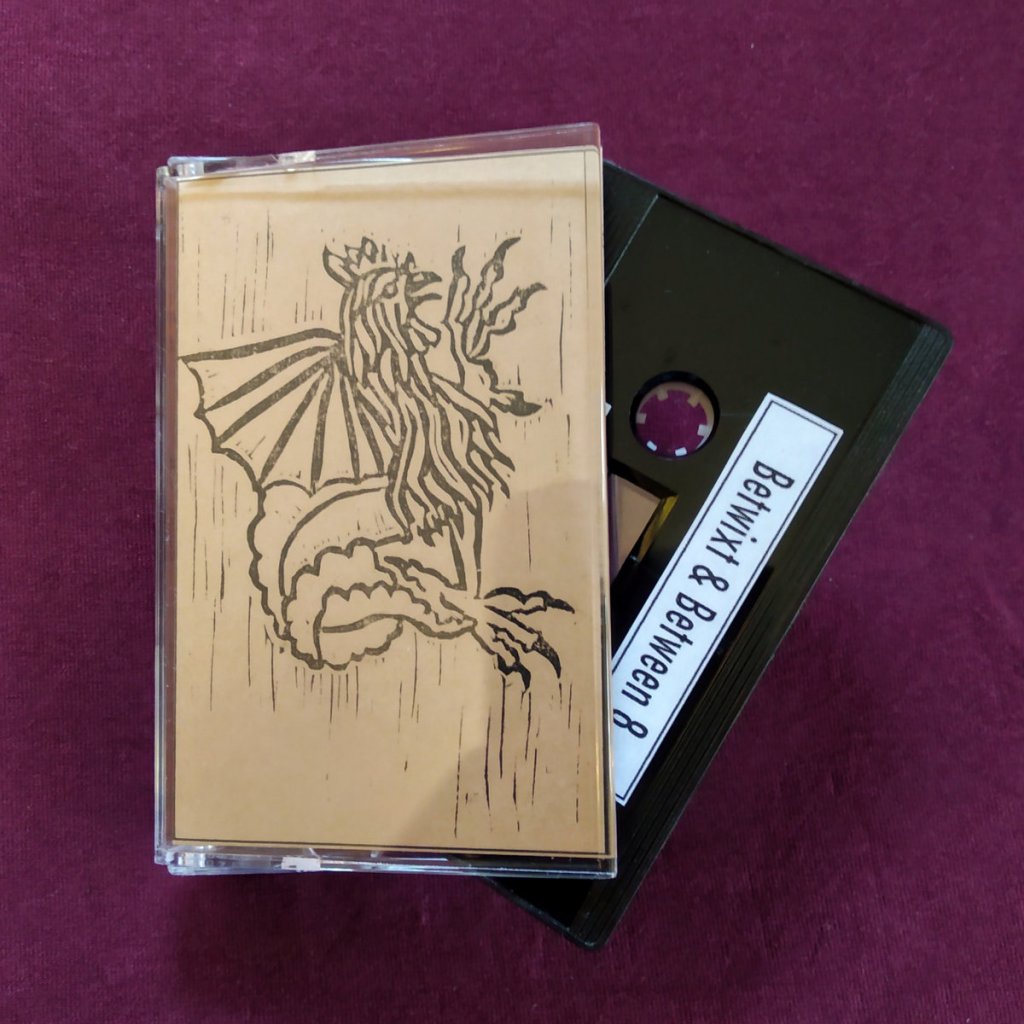
A split cassette release from Sullow (Jacken Elswyth, Daniel S. Evans and Joshua Barfoot) and The Silver Field (Coral Rose and friends), each side dealing with the darker characteristics of folk music. Sullow’s seven banjo-led pieces are short and punchy improvisations full of fragile dissonance and stirring half-melodies, in thrall to a more complete form of traditional music that isn’t simply about pretty maidens running through fields clutching posies of wild flowers. The four Silver Field tracks continue Rose’s exploration of a unique sound world, fusing tapes, vocals and diverse instrumentation. ‘Godless/Doglegs’ begins with a squall of electronic noise before evolving into a rapturous, ritualistic piece full of euphoric vocals and bluesy cello melodies, while ’Chase’ is like a musique concrète interpretation of folk music for jaw’s harp and murky tape rhythms, alternating freely between the real and the ephemeral. Released January 28 2022.
JOHAN LINDVALL TRIO – THIS IS NOT ABOUT YOU (Jazzland)
Jazz curiosities from Oslo courtesy of Johan Lindvall (piano), Adrian Myhr (bass) and Andreas Skår Winther (drums). The group are more than able to offer a classic presentation of the trio form on pieces like ‘Getting Out’, but it’s moments like opener ‘Imagine Something Different’ – with its unusual rhythmic time signature – suggest an interest in pushing the form from the polite background of the café to somewhere more radical. ‘Give Up’ has a pretty, memorable melody which will happily lodge itself in your brain for weeks, and a cover of Karen O’s ‘Rapt’ manages to stay recognisable while also highlighting Lindvall’s interpretative nous. The album concludes with a brilliant live recording of ‘Break’ from Stockholm’s Glenn Miller Café which finds the group at their most persuasive, the tight, measured playing hinting at early rock ‘n’ more than the group’s normal jazz furrow. Released February 18 2022.
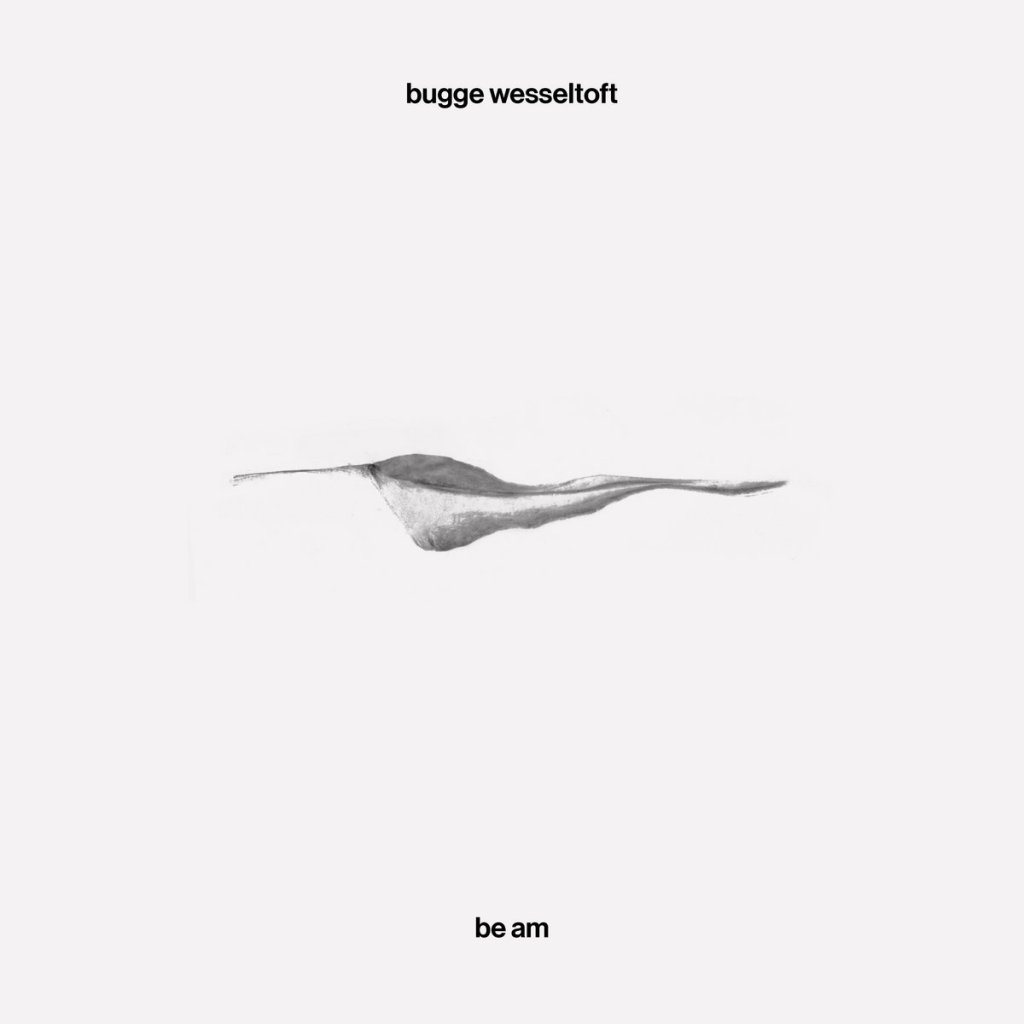
The new album from Jazzland Recordings founder Bugge Wesseltoft is probably what we should all be listening to at this time of geopolitical anxiety. A profound serenity and hopefulness can be found in Wesseltoft’s pretty musings, which force you into a deeply soothed and contemplative state. Eschewing his usual eclectic array of keyboards, it is the venerable piano that prevails here, only occasionally accompanied by a wider set of instrumentation. ‘Life’ is a duet for piano and kalimba, the interaction between which leads to one of the more uncertain moments on the whole album, while ‘Emerging’ and ‘Roads’ benefit from the gentle saxophone interjections of Håkon Kornstad. To me, pieces like ‘Sunbeams Through Leaves Softly Rustling’ and ‘Resonate’ are the sound of the horrors of the pandemic coming to an end, being both reflectively subdued by the toll it took on all of us, but optimistically placing their attention on the future. A listen to this might also quell your existential fears, even if for a moment. Released February 25 2022.
Between Two Worlds is the second album from Norway’s Eberson, the pairing of guitarist Jon Eberson and his daughter Marte on keyboards. For their new album together, they are joined by Jo Berger Myhre (bass), Rune Arnesen (percussion) and Axel Skalstad (drums). ‘Strange Highway’ is the album’s dynamic highlight, a fast-paced rush through incisive guitar riffs that weave in and out of insistent keyboard motifs. ‘Dancing With The Big Fish’ swims forth on soft keys, melodic sprinkles and a churning, rich bassline, over which Eberson Sr. offers a warm and evocative guitar riff that belongs in an episode of Miami Vice before fragmenting into a series of dextrous solos. The album’s title track is principally a vehicle for Marte Eberson’s playing, opening with a flute-style riff offset by ripples and soothing pads over an irrepressibly smooth rhythm section that sounds like The Funk Brothers chilling in Norway. Released March 4 2022.
THE NIGHT MONITOR – THEIR DARK DOMINION (Fonolith)
Continuing his adventures through the world of the unexplained and paranormal, Their Dark Domininion finds Blackpool’s Neil Scrivin exploring the mystery of Clapham Wood in Sussex. The story goes that the area was home to a cult purportedly including elite members of society called The Dark Hectate, and the skies above the wood were known for their UFO sightings and other strange phenomena. As ever, the back story provides the ideal inspiration for Scrivin’s unique brand of electronic composition. Pads float up from the ground like fog, melodies present themselves with unresolved open-endedness, leaving more questions than answers, and the whole thing feels like its drenched with sinister inquisitiveness. ‘The Pit And The Pentagon’ stands out for its creepy hook and choir textures, while the title track hitches a chilling synth riff to a strident drum pattern bespeaking ominous foreboding. No one does brooding electronic music quite like Scrivin, and this is undoubtedly one of his best releases to date. Released March 4 2022.
Tarbolton Bachelors Club is the latest album from Edinburgh’s Steven Anderson (Letters From Mouse). The follow-up to 2021’s An gàrradh, which drew its sound architecture from Anderson’s back garden, Tarbolton Bachelors Club again finds Letters From Mouse exploring localities. This time the connection is between the country park of Polkemmet near Whitburn and the village of Tarbolton, the common thread being Scotland’s Bard, Robert ‘Rabbie’ Burns.
The Polkemmet estate was acquired by the Baillie family in 1620, establishing a country house there which eventually became a hospital in the Second World War used by Polish soldiers escaping the Nazi occupation of Poland. The house was demolished in the 1960s but its grounds – including its mausoleum – were re-established as a country park.
Anderson included a track named after Polkemmet on 2020’s Proto Human. “The atmosphere in Polkemmet Country Park is pretty special, the history of the place is palpable and my family spend a fair bit of time there,” says Anderson. “I used to play at Polkemmet as a kid, and I was always mucking about in the river, sailing boats and stuff. I was too young to know or appreciate the history of the place and it’s only recently that I have really started to realise it’s significance. The atmosphere in the park is magical, especially in the woodland and it’s this I have tried to tap into with the music on Tarbolton Bachelors Club. I use a modular synth setup, which I think this can sound very organic, atmospheric and emotional. It’s perfect for a project like this.”
The album is named after the club, founded in a small thatched house in the village of Tarbolton, that appointed Burns as its first chairman when it was formed in 1780. Burns was then an unpublished poet and the bachelors’ club was intended as a place for local single men to come together, talk, dance and debate the issues of the day. The Tarbolton group would go on to inspire many Burns Clubs around the world, its membership observing one founding rule that stated members were not permitted to acknowledge the existence of the club, where masonic virtue was pre-eminent. In keeping with other lodges or clubs, the Tarbolton club issued ‘pennies’ to mark initiations or to celebrate members.
“The Masons are something I don’t know much about to be honest,” admits Anderson. “I can remember being in a hotel bar near Stranraer 20 years ago and the owner mentioned the Tarbolton Penny. At the time I had no idea what he was talking about but for some reason it stuck in my head. I remembered this when researching Burns for the album, and I even ended up buying a Tarbolton Penny on eBay.”
Anderson’s music is well-suited to exploring these sorts of narratives, something that shone through brightly on An gàrradh. “I’m definitely a bit old school here. I dislike the whole streaming culture and one-off songs or singles. I like to listen to an album from start to finish and a good story helps, I think. Telling that can be more challenging with instrumental music as opposed to using singing and lyrics which spell it out for you. Having a theme or concept just feels right to me.”
That being said, diving into the legacy and importance of Burns felt a little risky to Anderson. “I wasn’t sure how cool it would be,” he says. “However, I avoided bagpipes and Dan from Subexotic didn’t use any tartan in the artwork! I really only started to appreciate Rabbie later in life, and when I was putting this album together it has been amplified considerably. I’ve started to see what an impact he has had, not only in Scotland but across the world. Not bad for a cheeky chappie who was fond of the ladies.”
Stephen Anderson’s tour through the Tarbolton Bachelors Club
Elizabeth
“Elizabeth Bishop (1785 – 1817) was Robert Burns’ first child, conceived during an affair with Elizabeth Paton. Elizabeth married John Bishop, factor to the Baillie of Polkemmet and I believe they lived in Halfway House which is situated on the edge of the estate grounds.”
NS92476494
“This is the grid reference for where Polkemmet House used to stand. The footsteps you hear at the beginning and end of the track are me and my daughter walking to that exact spot.”
South Church Beastie
“Elizabeth is buried in the grounds of this church in my home town of Whitburn. The first building here was in erected in 1658 and has had repairs and extension. The reference to ‘Beastie’ links to the famous Burns poem, ’To A Mouse’.”
Tarbolton Penny
“Burns lived for a while in the Ayrshire town of Tarbolton which is where he founded the bachelors’ club, just before his works started drawing attention. At this club he entered into Freemasonry. In orders such as the Masons, tokens – also known as pennies – were issued for a variety of reasons including signifying a pivotal part of the mason’s initiation, celebrating a particular mason, or as proof of membership to a lodge.”
Stephen Anderson’s Tarbolton Penny
Trefoil
“Following the war Polkemmet House became Trefoil School and was run by Girl Guides movement. The school was opened by the Queen Elizabeth (then Princess Elizabeth), who later became the school’s patron. The school moved to Gogarburn which is just outside Edinburgh. After its time as a school, the house was used by the Scottish Police College.”
Cordiality
“Contrary to the pictures in your mind that the term bachelors’ club may generate, the one started by Burns was a civil affair where gentlemen debated the latest issues of the day and learned to dance – all without alcohol. It all sounds most cordial.”
Lily Bonie
“Expressing warm tenderness to his love-begotten daughter and welcoming his child, Burns wrote the following lines:
Welcome! lily bonie, sweet, wee dochter, Tho’ ye come here a wee unsought for, And tho’ your comin’ I hae fought for, Baith kirk and queir; Yet, by my faith, ye’re no unwrought for That I shall swear!… Lord grant that thou may ay inherit Thy mither’s person, grace, an’ merit, An’ thy poor, worthless daddie’s spirit, Without his failins, ‘Twill please me mair to see thee Than stocket mailens…”
Candles
“Burns was a known romancer and there is nothing more romantic than candlelight.”
Element C6
“Carbon has the symbol C and the atomic number 6. Coal contains mostly carbon and it’s with coal that our connection to Polkemmet lies. The National Coal Board, who operated many coal mines in the area, bought Polkemmet House. My father was a miner back in the day. He hated it, and it was dangerous dirty work indeed. There is no getting away from the historical importance of coal in this area.”
A Man’s A Man For A’ That
“This track was added after the album had been completed. I’ve been working on a project with my brother-in-law Martin Gibbons, who happens to be a really talented musician and singer. I asked Martin if he’d like to record a reading and I was thinking that I could sample it and use it somehow. I liked what he did though so set about adding some music as backing and I thought it worked really well. I think it does a great job of rounding off the album. It’s brilliant to have family involved and hopefully it’ll be a nice thing to look back on in years to come.”
Interview: Mat Smith
Tarbolton Bachelors Club by Letters From Mouse was released January 28 2022 by Subexotic.
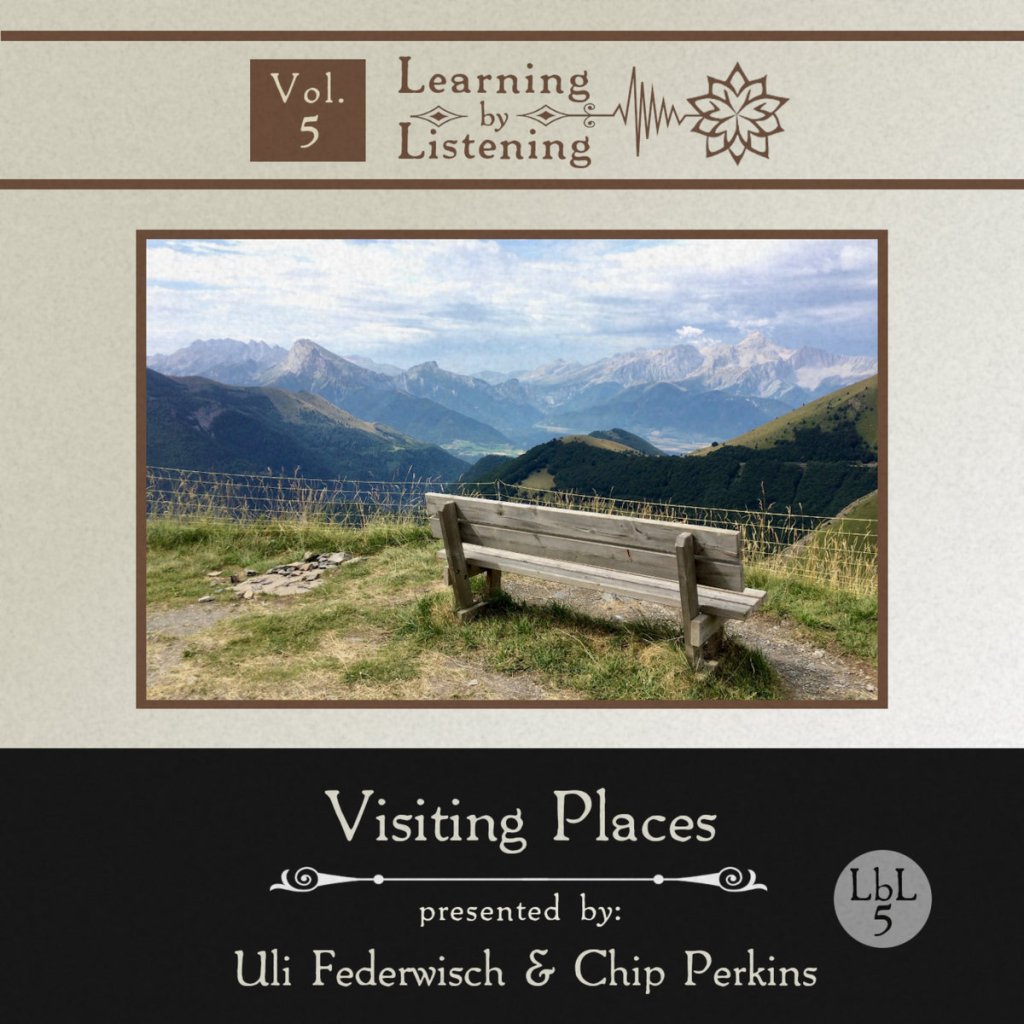
Visiting Places is the fifth release in Strategic Tape Reserve’s Learning By Listening series, which has so far brought us volumes by Orca, Attack!, Goodparley & Poppy Jennings and bleed Air. The premise, as stated boldly by the label, is a “educational, instructive cassette series designed to bring the information of the world into your home, and your brain”.
No risk warning is attached, but it’s best to approach the series with a degree of casual circumspection. That includes, in this case, whether the artists themselves – Ulrich ‘Uli’ Federwisch (Secretary-General of the Prüm-Eupen Partnership For Success, previously CEO of an Euskirchen producer of parts used in industrial heat exchangers) and Chip Perkins (voice actor) – are even real. Googling their names yields nothing but nondescript corporate types and a litany of previous Strategic Tape Reserve releases, the cover for one of which (One Dazzling Moment) really needs to be seen to be believed.
Caution aside, with the Nordrhein-Westfalen duo at the helm, we find ourselves journeying across Central Europe courtesy of Federwisch’s synths and Perkins’ narration. Well, sort of. The topography may be representative of Central Europe, but what we encounter isn’t. Thanks to Perkins’ engaging, genial but slightly detached and occasionally trippy observations, we find ourselves on a fantastical voyage through strange and weird places, customs and events. A tricycle with one back wheel bigger than the other so that it can only move in a circle and the generous, congenial offer of pea soup by villagers (“They are just being polite; there is no pea soup.”) are just two of the oddest stories told. There is something vaguely reminiscent of the Welcome To Night Vale podcast here, of unfathomable practices, events and people that seem to exist sequestered away from the mundanity of homogenised real life and monoculture.
Federwisch’s synth accompaniments are full of Moog-y melodic wonder and immersive, intricate detail, evolving episodically depending on where we find ourselves on the journey. A section to accompany a section about a dangerous model railway museum exhibit might have been taken from a Radiophonic Workshop soundtrack for a radio play, all tiny sounds and details that eddy and spin around your ears. Other sections rely on crisp, unswerving but minimalist rhythms and brittle high-end tones, occasionally slipping into psychedelic ephemerality. A section at the start of ‘Part 2’ has the casual motorik pulse of vintage electronic pop, while the accompaniment to the aforementioned tricycle story has a breezy, lolloping, wonky circularity.
Five volumes in, it would appear that the key lesson emerging from the tongue-in-cheek Learning By Listening series and its skewed, surrealist sounds is that we should collectively challenge the excruciating seriousness normally attached to most electronic music.
Words: Mat Smith
Visiting Places by Uli Federwisch and Chip Perkins was released January 7 2022 by Strategic Tape Reserve.
A batch of winter missives from the forever-wriggling Tapeworm label begins with Evan Lindorff-Ellery’s No Water Recordings 2011, taken from an extensive collection of field recordings for hydrophone and contact mics made in Ravenswood, Chicago. On ‘Fringes And Singing’, with a hydrophone placed under a bridge rather than in open water, the sounds are relentlessly squalling, tearing, violent and oppressively over-amped, as if made during a storm. In contrast, on the B-side (‘Meditation’), made with a contact mic, ceramic insulator and brick, we hear a comparative serenity, with undulating currents and the distant, calming sound of estuarine birds atop the water, but to this pessimistic listener it seems to embody the constant threat that unsettled waters could return at any moment.
Bill Thompson’s Black Earth Tongue originates from recordings made for dance unit In The Making Collective’s Edinburgh Fringe performance, Mushroom! (2016), created using laptop, field recordings, found objects and live electronics. With titles named after Japanese misspellings of fungi, Black Earth Tongue is an immediately absorbing listen, with ringing drones, gently oscillating tones, clangs, sepulchral non-rhythms, controlled distortion and earthy bass seeming to evoke the notion of persistent growth and spread. How you’d choreograph for this work of mycological genius I really don’t know.
Bill Thompson performing music for Mushroom! (Edinburgh Fringe, 2016). Photo: Ian Cameron.
Recorded in the summer of 2001 at Brighton’s Festival Radio Studios, Destroy All Monsters finds author and The Wire music journalist Ken Hollings reading from his book of the same name. His engaging, if dystopian, vision of a alternative / futuristic Los Angeles ravaged by actual monsters and abused technology is accompanied by sound design and production from Brighton-based Further. favourite Simon James, an electronic musician and Buchla enthusiast. James’s accompaniment to Hollings’ bleak, detached narration of principal protagonist Sprite’s movements emerges as a low, grubby rumble full of sparse sparks of electronic noise, delicately brushed cymbals and subtly wafting, bubbling tones that remain unswervingly tense and pensive, regardless of what horrors Hollings is detailing in intricate and vivid detail. A section involving a leatherette-seated car suddenly being brutally crushed reverentially evokes Ballard’s Crash, while a simultaneously spiralling arc of M&Ms around a stray puppy carries a sinister, psychedelic effusiveness.
“Goth ASMR Hardcore” is the does-what-it-says-on-the-tin description of Twister by London’s anonymous Opal X, consisting of sixteen tracks of extreme incongruity – quiet spoken instructions about moving toward the light reminiscent of a thousand guided meditation podcasts, only where you might expect soft pads and ethereal new age-y textural accompaniment what you get instead are dark, brooding synths, insistent detuned Autechre-y rhythms, arrays of sci-fi bleeps and bloops, faded rave beats, euphoric vocal stabs, fragments of suspenseful horror film noise and occasional moments of serene clarity. The muddled outlook should be distressing – panic-inducing, almost – and yet somehow its quintessentially delicate character is ultimately what stays with you.
JAY GLASS DUBS x LAURA AGNUSDEI – JUNGLE SHUFFLE (The Wormhole)
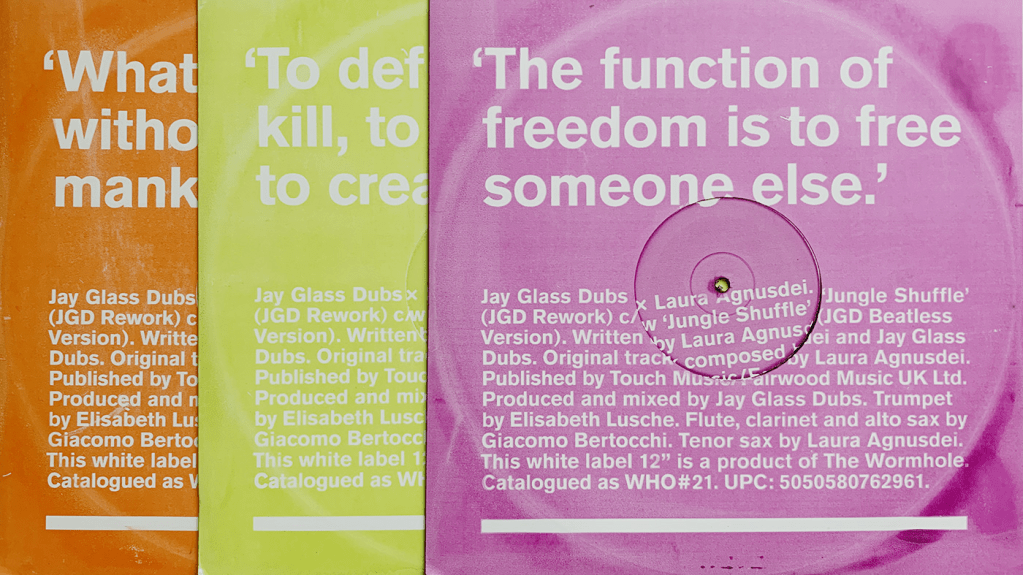
Released across three highly limited coloured white label 12-inch singles, each one emblazoned with a different slogan, here we find Jay Glass Dubs tackling ‘Jungle Shuffle’ from Laura Agnusdei’s 2019 album Laurisilva. Two versions are presented – one with beats and one without. The original track was one of the many highlights on Laurisilva, finding Agnusdei taking traditional jazz reference points set to razor-sharp found rhythms. In Jay Glass Dubs’ hands, the assembled horns swirl and cascade like spiralling wraiths, a thick, omniscient drone occupying an earthy lower layer though which the horns are threaded like organic, unpredictable sonic foliage. Released November 19 2021.
Mücha is the alias of producer / DJ Amanda Butterworth. The seven tracks on latest album Fall unfold upon spindly, fragile electronics, over which Butterworth’s voice textures, occupying a territory somewhere between melancholy reflection and languid warmth. On the title track, Butterworth reprises Photek’s scissor-sharp approach to deconstructed drum ‘n’ bass, with splintered high-octane rhythms held in check by a slow-motion jazz keyboard riff. The album was inspired by a certain British monochromatic stereotype; in my head I think Burton grey suits, grey Autumn days, greying British Rail seat fabric, but I can also imagine this being how Martin Hannett might have embraced skeletal electronics if he’d still been alive today. Released November 5 2021.
Eyeline is the debut EP from Kidderminster’s Jess Brett. Possessing a voice of rare and arresting, earthy power, the lyrics here address everything from outdated perceptions of women, to cynicism about police power, to sexual dominance, while always retaining a healthy, impenetrable ambiguity. Brett’s five track release is carried forward on musical frameworks that nod to post-punk, with jangly guitars, inchoate synth structures and tentative melodies. The title track imagines The Smiths with keyboards, while the mournful ‘Ceiling And Freezer’ is a grim story of love and admiration for what appears to be a serial killer, its fixations glued in place by a mesmerising suite of slowly-evolving keyboard layers. Closing track ‘Xenomorph’ is like a personal, confidence-boosting mantra delivered over a turgid bed of prowling synths and whistling melodies that remains unresolved as the track winds down toward a tentative silence. Undoubtedly one to watch. Released October 14 2021.
Dialogues is an unashamedly classic jazz album, centred on a trio of Dan Berkson (piano), Andrea di Biase (bass) and Jon Scott (drums). Now based in California, Berkson is an emigré from London’s house music scene, and it’s rare to find someone so adept at switching freely between the regimentation of dance music’s grid and the complete freedom of jazz. For the most part, this is an energetic, effervescent collection, with ‘Unity’ carrying a firm expressiveness thanks to the addition of Magnus Pickering (trumpet, flugelhorn), Alan Nathoo (tenor sax) and Daniel Sadownick (percussion). ‘Sketches’ is the album’s contemplative, questing number, Berkson’s emotive piano lines resting atop a languid, casual rhythm from di Biase and Scott. With these impressive Dialogues, Berkson shows his detailed knowledge of jazz from 1950s cool tropes through to 1970s fusion. Released September 17 2021.
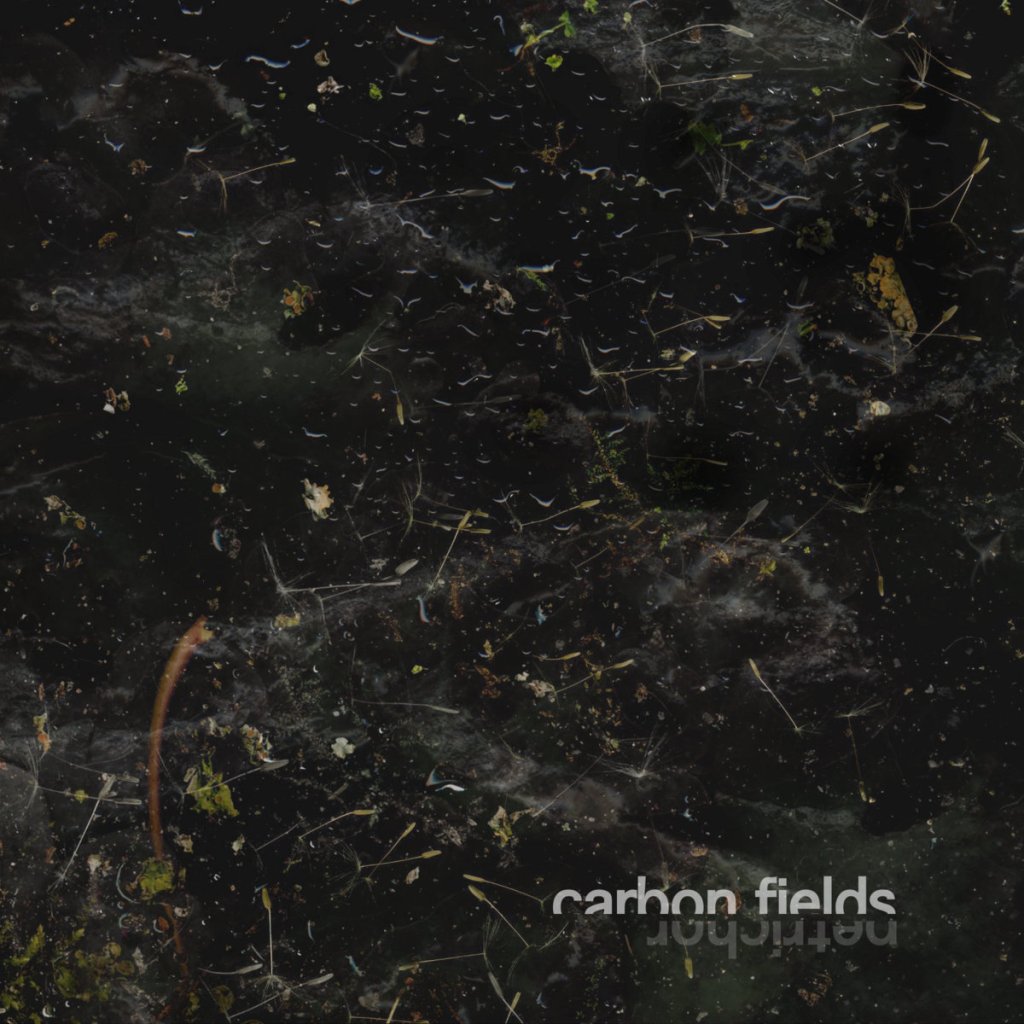
Carbon Fields is the alias of multi-instrumentalist Arran Poole. Petrichor, named after the smell that occurs after rainfall, finds Poole layering his post-rock guitar, bass, drums and an instrument called the bow chime over field recordings made in Saffron Walden, Falmouth and North Norfolk. The instrumentation is blurred and smudged while the background recordings, tape static and all manner of sounds rarely reveal their provenance. This is music of a quiet and considered power, perfectly evoking the complexities of nature and an inquisitive optimism reflecting back the rainfall so essential for renewal. Understated and outstanding. Released September 10 2021.
frostlake is the project of vocalist and multi-instrumentalist Jan Todd. For her third album The Weight Of Clouds, Todd constructed sixteen pieces using percussion, guitars and electronics, each one freighted with a sheen of ice-covered mystery and a folky naturalism. The key to tracks like ‘Always There’ and ‘Blue Into Gold’ is Todd’s vocal, operating with a stirring capacity to move you without ever rising above quiet and reflective ruminations, seamlessly augmented by tightly-packed sonic layers drenched in obfuscating, mist-like reverb. ‘Moth People’ is the album’s oblique highlight, finding Todd reflecting on human mistakes and failures over a fragile backdrop of wobbly synths and string sounds. Music for cold mornings and contemplation. Released August 22 2021.
SOFIA KIRWAN-BAEZ – TAKE ONE AND A HALF (Autana Art)
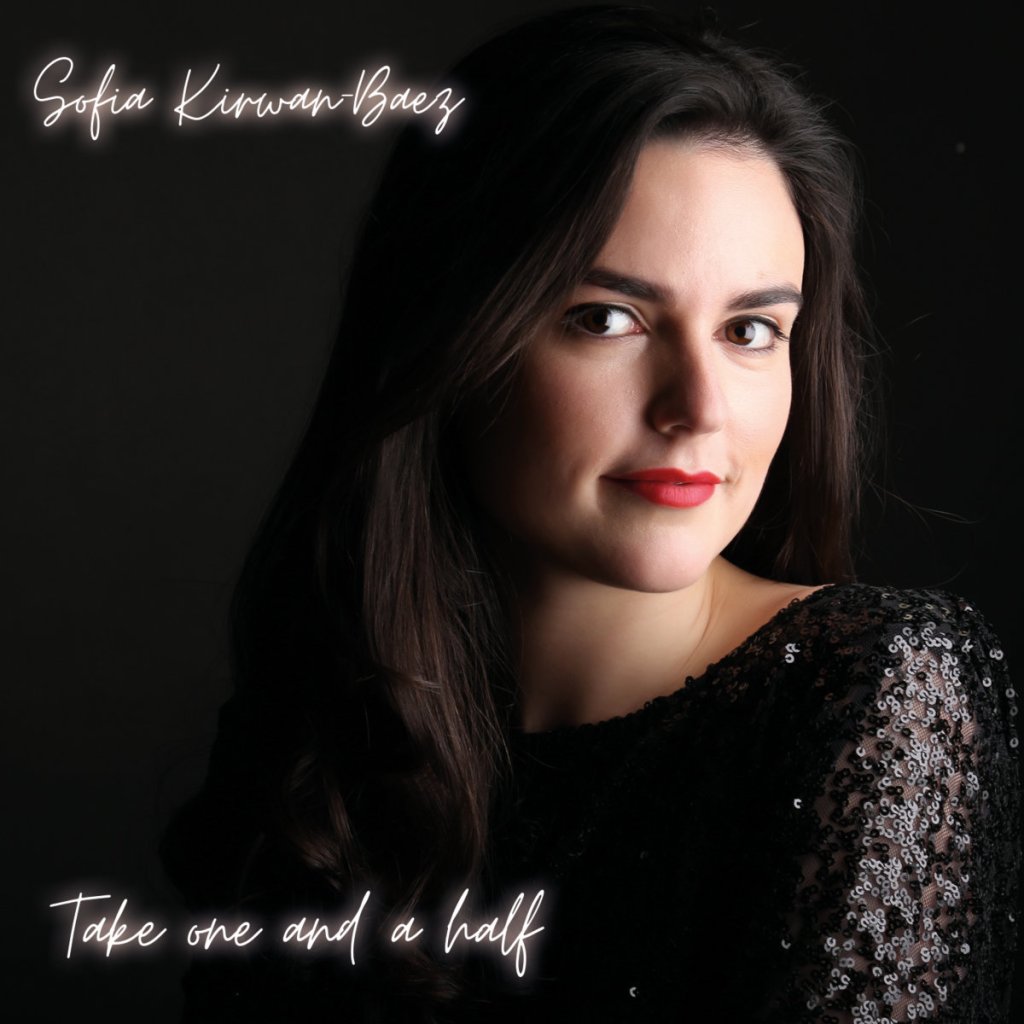
Sofia Kirwan-Baez is a London-based opera student and talented lounge singer, often to be found hosting evenings at Barnes’s OSO Arts Centre. Her debut album was released in February and finds Kirwan-Baez at the piano, delivering eight original songs showcasing a singular approach to lyric writing that is refreshingly complex, reflecting back modern concerns and the fallibility of people and relationships. Jazz and blues influences colour songs like ‘Guess Who’, dealing with an inscrutable man who refuses to betray his true thoughts and feelings, and ‘Only If I Want To’ takes a deft and necessary swipe at male dominance. ‘Old Song’ has the feel of an unearthed standard, simultaneously heart-wrenching, humour-inflected and self-deprecating, while ‘Wasting Time’ describes a parting of ways with a sense of realism and hope. Music for low lights, late nights and a healthy pour of vintage single malt. Released February 7 2021.
One positive thing to arise out of two years of myriad uncertainties was the music of Yova, the duo of vocalist Jova Radevska and multi-instrumentalist / producer Mark Vernon. The singles they delivered since arriving in November 2019 with ‘Moondog’ have highlighted a pairing that thrives on a certain mutability, showcasing a writing style and sound that isn’t so much restless as fully unprepared to settle in one place.
At the heart of these songs is Radevska. Hers is a voice of quiet and persistent gravity, outwardly carrying an innocence and lightness but able to move from subtle anguish to delicate euphoria. Whether matched to strings (‘Togetherness’) or electronics-inflected funk (‘You’re The Mirror’) or emphatic low-slung blues rock (‘Would I Change It? (If I Could)’ Radevska writes emotional, gently soulful pop music full of worldly observation, relationship trauma and oblique, diaristic gestures. In Vernon she has found a well-connected collaborator with an ability to augment her words with rich sonic layers, drawing in collaborators as diverse as Daniel O’Sullivan (Grumbling Fur), BJ Cole, David Rhodes (Peter Gabriel, Kate Bush) and PJ Harvey multi-instrumentalist Rob Ellis to frame these songs.
Nine Lives, then, brings together all the disparate strands of Yova’s music into one whole. The effect is not an album that feels incoherent as Radevska and Vernon view the structure of each song through its own distinct lens. Instead, what emerges is a solid, refreshingly diverse collection of songs focussed on Radevska’s appealing storytelling. ‘Make It Better’ is one of the highlights of the new songs, a plaintive, sawing violin allowing Radevska’s insistent vocal to fluctuate sweetly between desperation and hope.
Closing track ‘Haunted’ perhaps sums up the character of Nine Lives. The songs carries a beatific optimism, Radevska’s voice framed by evocative strings and delicate piano as it soars gracefully skyward – its ultimate destination wherever Radevska and Vernon feel compelled to journey to next.
Nine Lives by Yova was released November 12 2021 by Quartertone Recordings.











 Further.
You must be logged in to post a comment.