Music journalist for Electronic Sound and occasional press release writer for VeryRecords. Father, husband, vegan. Co-founder of Mortality Tables - mortality-tables.com
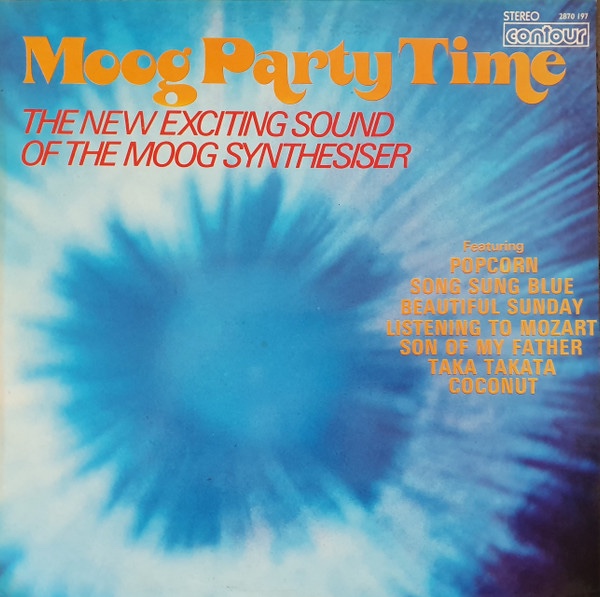
A festive mood descended on Jon’s and my last evening of vinyl and vino for 2023, beginning with the impossibly groovy Moog Party Time LP (1972) that Jon had secured at Woburn’s market the week before. A post-JaM Session text conversation with my friend Bryan led to the acquisition of The Moog Machine’s Christmas Goes Electric LP (1969) from Discogs, so next year’s final JaM Session looks set to be wild.
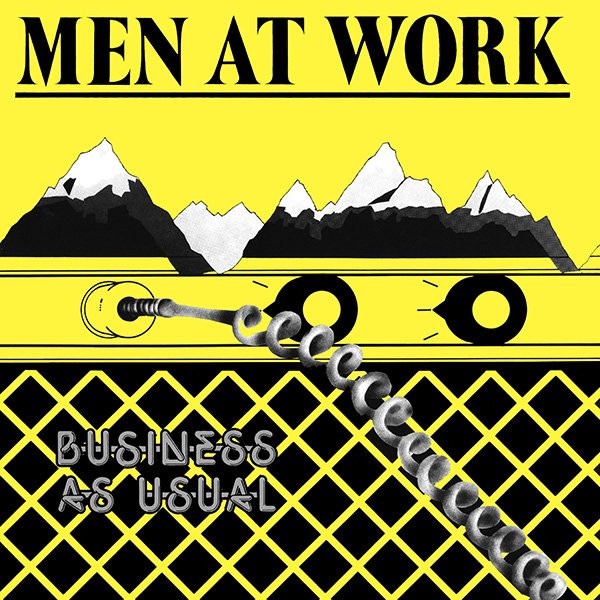
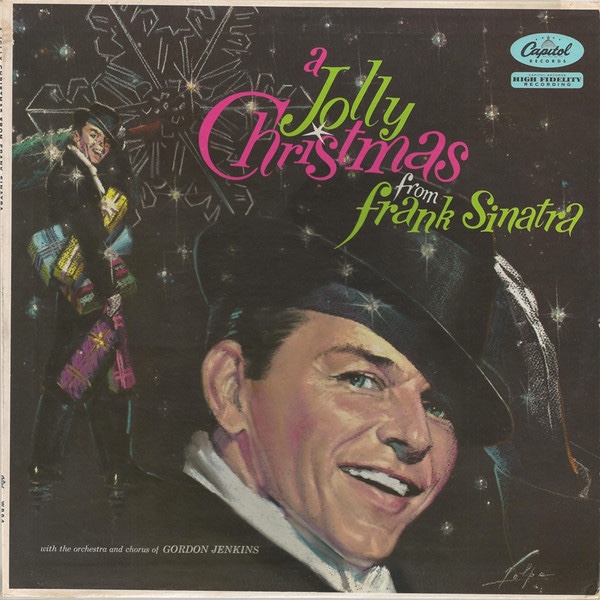
From Moogs to Men At Work and their 1982 album Business As Usual, then onwards like an out-of-control sleigh ride to Frank Sinatra’s A Jolly Christmas From Frank Sinatra (1957). Old Blue Eyes’s version of ‘Jingle Bells’ is, to this writer, nothing short of perfection.
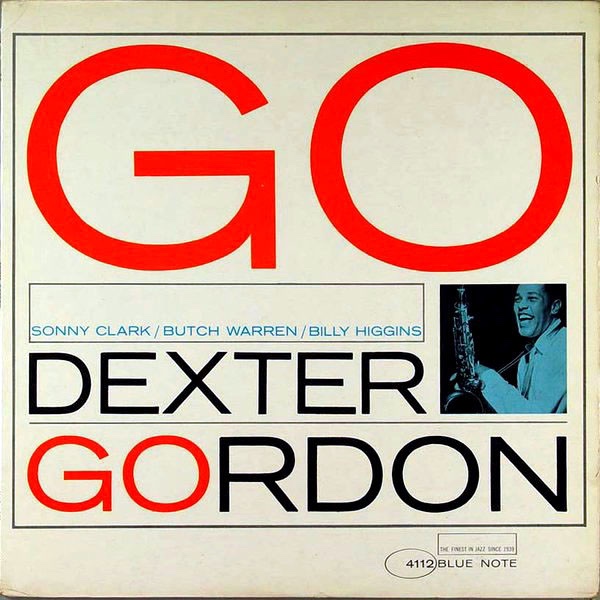
Dexter Gordon’s Go! (1962), with its seminal opening cut ‘Cheese Cake’, took things in a hard bop direction, and we concluded the night with Phil Spector’s A Christmas Gift For You (1963).
Conversation topics included sandwich thievery, Jon’s experiences of working at a Royal Mail sorting office as a student, and the disappointing fact that Milton Keynes is not named after economics titans Milton Friedman and John Maynard Keynes but rather the medieval village that was swallowed up by MK’s creation. Breadsticks, pitta, olives and a Christmas Eve hangover’s worth of red wine provided the snack and drink accompaniment.
The eagle-eyed will note that the write up of JaM Session VII is missing. This is because I forgot to write that one up and can no longer remember what we played – but it definitely included Supertramp’s Breakfast In America from 1979 and an album of New Age electronic music that I’ll be writing about here in 2024.
With ALIVE! In The Studio, trumpet and flugelhorn virtuoso Charlotte Keeffe helms a dexterous collection that showcases her ability to move effortlessly between the myriad dimensions of jazz. Unlike her solo material, wherein she embraces electronics to augment and complement her playing, as leader of a quartet, the emphasis is naturally on coordination among her fellow musicians – Ashley John Long (double bass), Ben Handysides (drums) and Moss Freed (guitar).
At the more extreme experimental end of the jazz spectrum, the ‘1200 Photographs’ triptych is largely focused on texture and noisy improvisation. Here, Keeffe leads the way with a series of fragments and gestures that writhe and fidget, accompanied by unpredictable percussion and scratchy guitar figures that occasionally settle into searching, blues-y statements.
At the other extreme, ‘A Horse Named Galaxy’ leans into a more melodic style of playing, with Keeffe’s central refrain having all the classic, memorable qualities of a Miles Davis riff circa ‘Freddie Freeloader’, the contrapuntal melodies of Long’s bass creating a easy, languid unity at the core of the piece. Even as the track collapses into a sprawling, distant cousin of itself, Keeffe resurrects her motif at various different tempi, the melody taking on an increasingly hyperactive tone as everything collapses in on itself. Speaking of Miles, ‘EastEnders’ is not a jazz rendition of the beloved UK soap opera’s theme tune but a deeply funky, expansive cut reminiscent of his wild, electric-period statements.
‘Sweet, Corn’ is one of the most captivating tracks on this collection. A white hot, almost urgent rhythmic backbone dominates this piece, the tension only breaking when Keeffe’s horn erupts into the foreground. For some reason, brief moments in the track remind me of ‘Jet Song’ from ‘West Side Story’, though every time I alight on what I think it is that evokes that memory, it writhes away from me elusively.
Adventurous, playful and reverential, with ‘ALIVE! In The Studio’, Keeffe offers different perspectives on the jazz form, while clearly having a huge amount of fun. The clue is in the title – to listen to this album, and to experience its many gestures, is to truly be joyously, gratefully and rapturously alive.
ALIVE! In The Studio by Charlotte Keeffe / Right Here, Right Now Quartet was released September 22 2023 by Discus Music.
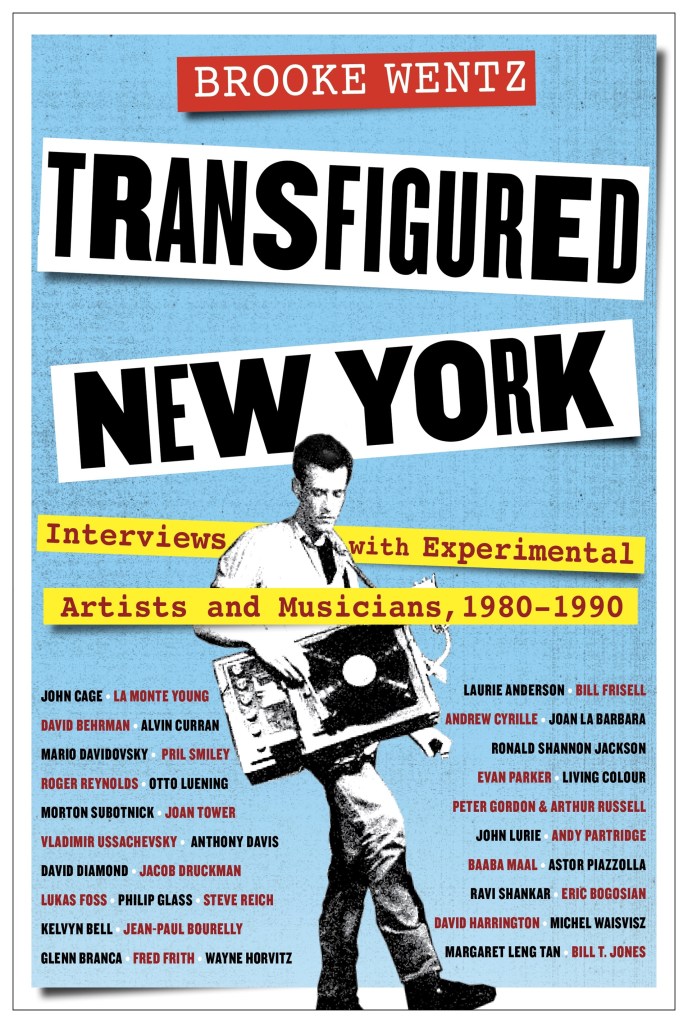
I can think of no better way of describing the eclectic, diverse, inscrutable musical melting pot that was New York in the late 1970s and early 1980s than a moment recounted by Brooke Wentz in her book Transfigured New York, a collection of radio interviews made between 1980 and 1990.
Wentz, who presented a long-running, adventurous radio show called Transfigured Night on New York’s WKCR-FM, was interviewing dexterous avant garde jazz bassist Andrew Cyrille in September 1986. Cyrille was midway talking about spontaneity and improvisation. However, the interview needed to be cut short because Wentz’s next guest had arrived. That next guest was the composer John Cage. On one level you could see this event as two different generations passing each other, metaphorically perhaps, in the corridors of culture; I like to think that it actually demonstrates how many musical forms could co-exist and thrive simultaneously in New York. The Brazilian percussionist Cyro Baptista nails it when he describes the city as “a caldron of misfits from all over the planet.”
Manhattan, geographically, is an island of just 23 square miles. Small and compact when contrasted with sprawling cities like London or Los Angeles, it’s hard to think of anywhere else that’s contributed so much to music, and, within that so much so-called ‘experimental’ music. Wentz’s radio show acted as a critical portal into that unfolding cultural significance, while her interviews with key figures – selected and collated in Transfigured New York – were illuminating insights into the motivations and works of figures that operated on music’s wild and essential fringes.
Wentz began her radio show in 1980. Starting then was important, as it allowed her to catch some of the architects of contemporary music before they passed away, or before resonant personalities like La Monte Young became reticent about being routinely interviewed. Her interviews with some of electronic music’s founding fathers – the Columbia-Princeton Electronic Music Center team of Vladimir Ussachevsky and Otto Luening in particular – are illuminating and full of details that were new to me. They each shine a light on their atypical paths to electronic music, and how the earliest electronic studios were themselves started. One especially interesting area was around how progressive pioneers like Ussachevsky were with early computers, long before their use as creative – rather than functional – tools had been identified.
Transfigured New York is divided into nine sections – ‘The Founding Theorists’, ‘The Materials Scientists’, ‘The Composers’, ‘The Iconoclasts’, ‘The Vocalists’, ‘The Dissenters’, ‘The Popular Avant-Garde’, ‘The Global Nomads’, ‘The Performance Artists’. These are convenient, but relatively arbitrary groupings given how fluid New York’s cultural diaspora was, and how welcoming a city it was for visiting performers such as Ravi Shankar. Each interview is also accompanied by smaller, Post-It Note-style excerpts. These footnotes – with everyone from Meredith Monk to Ikue Mori to Zeena Parkins – aren’t in any way indications of lesser importance, but they go a long way to reflecting how many individuals were hard at work setting up New York as the crucible of post-War creativity.
As Wentz’s show – and her musical research – evolved, she began embracing African music. The latter interviews of the book bring this personal interest to life. She excitedly recounts a trip to Africa and hanging out at Baba Maal’s Senegalese home while there. Happily, for Wentz, New York’s ever-evolving music frontier was also embracing broader cultural inputs more or less simultaneously, and her radio interview with Maal is undoubtedly among Wentz’s most impassioned conversations.
Comprehensive though Transfigured New York is, I was left feeling that there were other sides to this story that need to be told. Interviews with Sonic Youth’s Lee Ranaldo, Rhys Chatham and Glenn Branca each highlight how easily the so-called avant garde meshed with No Wave. Wentz hints at that when interviewing Peter Gordon about his Love Of Life Orchestra : “You’ve said that the group is an attempt to create a ‘democratic music’ that includes people from all sorts of backgrounds – classical music, rock, funk, poetry, rock, funk, poetry, visual art. That seems like a pretty good reflection of the city’s downtown scene.”
We get a tantalising glimpse, again, of how possible it was for different scenes to cohabit when artist Mikel Rouse talks about Philip Glass performing at Peppermint Lounge, and Glass himself talking about how his arpeggio-filled minimalist classical music was embraced by rock music fans. The apparent inconsistency between reading a wonderfully in-depth interview with John Cage where he talks about not enjoying noise, and another with Glenn Branca where he talks about Cage appreciating the volume he operated at quite honestly blowed my mind, but my mind was blown on almost every page of this engaging, near-exhaustive collection.
Ultimately, what Wentz’s book reaffirms is that New York, during the period she covers, was a small island with some of the biggest ideas and contributions. These first-hand accounts are among the most illuminating pieces I’ve ever read with players that often feel inaccessible. To have so many of them all surveyed in one book, just like the sheer number of important experimental musical figures who have been active in Manhattan, is a gift to us all.
Words: Mat Smith
Transfigured New York by Brooke Wentz was published November 16 2023. With sincere thanks to Meredith Howard at Columbia University Press, Gretchen Koss at Tandem Literary and Reed Hays.
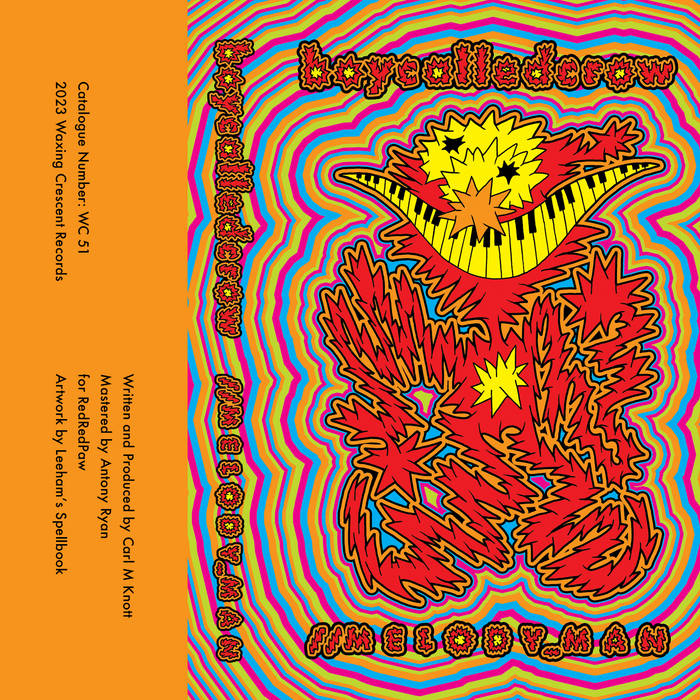
The premise for Carl Knott’s latest boycalledcrow release is an imagined world where decommissioned transmitters and dusty radios awake from the slumbers of redundancy and begin functioning again. Imagine fractured sounds, faltering rhythms and glitchy sonic non sequiturs, transmitted abruptly into a era more used to the vapid sterility of streaming and internet radio.
I can’t think of a better place for Knott’s music to exist, even if it is fantastical. As boycalledcrow, his work has always occupied a sort of fragmentary landscape of its own: sounds form, burst into sharp sonic fractals and re-emerge in infinitely rearranged forms; melodies falter and collapse in on themselves; guitars, betraying his origins as a folk musician, offer recognisable shapes but are clipped, alien and discordantly unsettling.
Each of the fourteen pieces here is accompanied by a brief and evocative poem, and at times it feels like these collections of words have been subjected to the same skewed logic with which Knott’s music is developed. The verse to accompany the title track is a more adroit description of his work than any reviewer could muster:
And now He’s pulling all of the strings A cat’s cradle Of tangled tunes Weaving paths And making up names
I’ll get my coat. I would encourage you to ignore everything I’ve ever written about Knott’s music.
None of this is intended to suggest that //M E L O D Y_M A N is some sort of messy, randomised sprawl of an album, even if the complicated algorithm-like names of the tracks might indicate otherwise. To suggest this would be to undermine Knott’s skills as a sound artist. In fact, quite the contrary – the album contains some of Knott’s most beatific, resonant works to date. ‘God * Woman = C I R C L E ()’ and ‘dr dr dr || WOODS 777’ consist of tiny cycles of pretty melodies that evoke comparison with Steve Reich, offset by plaintive, organic gamelan textures and shimmering reverb that, when combined, produces an arresting, enveloping minimalist warmth.
Nevertheless, there is something endlessly intriguing about Knott’s more restless moments. The velocity at which ideas form and are replaced creates a sort of turbulence within pieces like ‘(S) illy Song #2’ that leaves you more than a little dizzy as it skips and hops along a path seemingly all of its own. Such pieces are an offset to more delicate tracks like ‘’, ‘~ f o r e s t … MOON ~’ and ‘SUN sun +’, leaving the listener stood perpetually on a precipice of expectation.
And that’s what’s ultimately so interesting here: as one track finishes and another starts, you find yourself trying to anticipate where Knott might pivot you to next. To predict this, however, is a fruitless endeavour, and it’s that sense of bold adventurism that makes //M E L O D Y_M A N such an extraordinary and enriching listening experience from start to finish.
//M E L O D Y_M A N by boycalledcrow is released October 27 2023 by Waxing Crescent.
boycalledcrow recently recorded a piece for my Mortality Tables collaborative series LIFEFILES. Listen to ‘LF13 / Westbury’ here.
Vox Interruptus took place at London’s Iklectic on 19 September. Its central focus was the not wholly unprecedented confluence of opera music with electronic sound, prompted by a collaboration between English Touring Opera and drøne (Mark Van Hoen and Mike Harding). A set by drøne, accompanied by the ethereal, haunting voice of soprano Julia Mariko, formed the centrepiece of the evening, and used sounds scraped from two English Touring Opera productions currently wending their way around the UK – Cinderella and The Coronation Of Poppea.
Mariko appears in the second half of this twenty-minute recording from that night. In the ten or so minutes that preceded her casually walking from a seat among the audience, Van Hoen and Harding delivered a suite of intricate, impenetrable and generally unplaceable sounds and loops, each one tinged with a metallic, purring static. These textures evoke the idea of opera, though it’s hard to define precisely why that is the case. Voices appeared occasionally, creating the impression of the two sound artists standing in the wings of a theatre, voyeuristically recording the sounds of the singers, but for me the sounds that Van Hoen and Harding developed felt like the mimetic approximation of breathing exercises before a performance.
I was there, and it was an utterly mesmerising, experience. Missing from this recording was an abrupt squall of heavy sound that arrived as Mariko finished singing. It was so sudden, loud and unexpected that I jumped out of my seat. It also seemed to surprise Mariko, who smiled briefly, breaking the otherwise earnest demeanour that had characterised her performance.
Noise, however, shouldn’t have been unexpected. As we entered the venue, we were confronted with extreme sonic turbulence, courtesy of The Tapeworm’s Philip Marshall manipulating a batch of found opera cassettes. His set-up was battery-operated and minimalist – a Walkman, a Korg handheld synth, a Bastl Bestie mixer – but the sound he produced was anything but. His set, twenty minutes of which are presented here as ‘Operattack’ was almost the inverse of the drøne set. Where theirs was relatively quiet and ruminative, their source voices suppressed into unrecognisable shapes, voices were omnipresent in Marshall’s performance: loud, bold, and brash; soaring moments of vocal power distorted into nauseating, terrifying shapes. Wilfully unpredictable, Marshall’s set showed vivid imagination and endless possibility.
Elsewhere on the bill at Vox Interruptus were sets from Dale Cornish, The Howling (extracts from whose latest album Incredible Night Creatures Of The Midway were used at a Paris Fashion Week show last month, no less) and JTM (Jonathan Thomas Miller).
Of these, I only caught the JTM performance. The foundation of his set was constructed from one recording of a single vocal sound made by Miller. This was manhandled ahead of time into myriad shapes and structures, over which he then built up live accompaniments with a SOMA Pipe synth. This was all about breath, but the sounds that he forced out of the Pipe reminded me of everything from whale song to the shimmering, ephemeral clouds of sound that Robert Fripp used to create in his solo performances.
This release, then, is only a partial document of that night at Iklectik. What is here, in the recordings of drøne and Marshall, acts as a vivid depiction of a clash of musical worlds, the elemental deconstruction of an established form, and a powerful sonic challenge to centuries of traditionalism.
Bravo.
Vox Interruptus was released September 28 and is available here.
The latest release from Audio Obscura (Norfolk’s Neil Stringfellow) couldn’t be more different from last month’s LF11 / The Naming Of Storms, which was issued through my own Mortality Tables collaborative project. Whereas The Naming Of Storms was elusive and ephemeral in its presentation, The Xenakis Station is immediately distinctive, more resolute in its sonic template.
A suite of eight pieces using shortwave radio transmissions as their jumping-off point, The Xenakis Station finds Stringfellow creating a false narrative of a ‘fantasy research station’ on Redpoint Sound that doesn’t officially exist. That story leans into the fable of shortwave and the idea of these strange, possibly redundant broadcasts that may or may not contain strategic military information.
A standout piece like ‘Sjælland Sound’ is draped liberally with that conspiratorial concept. Containing a crisp but minimal beat, ‘Sjælland Sound’ emerges out of clouds of pure texture that part and give way to bursts of controlled static, hissing tones and a general air of mystery. Dreamy, almost jazzy melodic hooks and swirls of dissonance, when placed alongside the more ambient sounds, give this a widescreen perspective. It’s as if we are far out at sea, our gaze suddenly locked onto the building that is purportedly the shortwave station on the distant horizon.
My personal favourite track here is ‘East From Somewhere’, which begins with a muffled radio station ident and seemingly random speech. In the background, a haunting motif and subtle squeaking gives the piece a nauseating, unravelling quality; it is immediately disorienting, like waking out of a savage nightmare into the horrors of real life. The title track is another favourite, with what could be wonky wind chimes reframed into a sort of paranoid exotica, scuttling sounds and uplifting choral tones lending this an unplaceable, uncertain quality somewhere between terror and euphoria.
As Stringfellow’s catalogue continues to expand, his ability to steer his sound into myriad new directions shows an adaptable artist wilfully following his own path. That these pieces bear no resemblance to his previous releases is a triumph of originality, and another fine addition to the Audio Obscura catalogue.
The Xenakis Station by Audio Obscura is released October 6 2023 via Woodford Halse.
SKSI is a five-track EP from anonymous Philadelphia producer Script Kid, which follows his dizzyingly accomplished debut album, Music For A Deprecated Dataset (2021). Intended as a metaphorical sonic bridge between his debut and a future new album, SKSI is a hot mess of crunchy beats, wispy synths and fragmented samples. ‘Nunya’ flinches and twitches with a nervous euphoria, a swirl of soft ambient textures fluttering around a suppressed rhythm. ‘The Groove’ hitches similarly ephemeral synth samples to a resolute breakbeat, giving me warm and fuzzy Mo’ Wax memories, while the curt ‘$Beatz’ highlights Script Kid’s minimalist flair with 90 seconds of scratched-up chat about ‘money-beats’ that had me tapping my toes on the train home in the rush hour.
SKSI by Script Kid was released July 28 2023 by Music Is The Devil.
WITCH ON HORSEBACK – Jumand
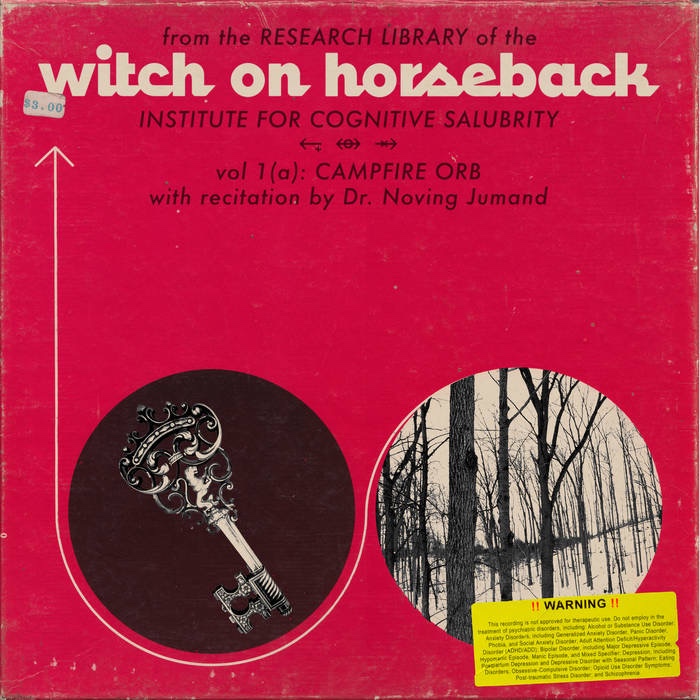
This is purportedly an unearthed suite of four recordings from The Witch On Horseback Institute For Cognitive Salubrity, founded by the narrator of these pieces, Dr. Noving Jumand, in New York State in the 1970s. The story goes that the new age performance space and education centre was founded by some ex-Moog employees, which would explain the deep drones, pulses and half-melodies that frame Jumand’s delivery. It’s all completely made up, of course. There was no Institute, there was no Jumand, and these pieces of strange and abstracted fiction – each delivered by the Jumand character in a flat voice reminiscent of guided meditations – are each one part-Welcome To Night Vale and one part David Lynch. The thirty-minute ‘Unusual Restaurant’ is wry and harrowing, putting you in a dreamlike story that concludes with you tucking into a dish of wafer-thin objects made from the body of a creepy childhood neighbour. You may think twice before listening to that next supposedly relaxing podcast on the Calm app after hearing this.
Jumand by Witch On Horseback was released August 25 2023 by Difficult Art And Music.
ANDREW WEATHERS – A Cardinal With A Sign Of Blood
A Cardinal With A Sign Of Blood is Texan sound artist and multi-instrumentalist Andrew Weathers’ eulogy to his late father and aunt. Their passing prompted this collection of discovered quarter-inch tapes that his father had made, field recordings, guitars, horns and electronics. Ghostly and haunting, the opening piece ‘28 Feb 1975’ features Weathers delivering a sparse, hesitant guitar melody loaded with plaintive contemplation over a murky bed of impenetrable voices and delicate keyboard tones. The 10-minute centrepiece, ‘The Cardinal, The Bike, The Stars’ features taped reportage about and from childhood and thoughts of aliens, Weathers manipulating an unintended cough in one of the recordings into a vague and unpredictable rhythm that ushers in an increasingly complex series of minimalistic layers. Reverential and absorbing, Weathers’ grief has produced a sonic adventure of great and mesmerising power.
A Cardinal With A Sign Of Blood by Andrew Weathers was released September 1 2023 by Full Spectrum Records.
XINGU HILL – Grigri Pavilion
The latest album from John Sellekaers’ Xingu Hill project contains eight tracks of enquiring electronics, and key moments like ‘Hi-Fi Simulant’ and ‘Moving Mirrors’ fizz with a palpable energy. Fragile, hooky synth melodies rest on top of complex beats that nod to minimal techno, electro and splintered drum ‘n’ bass. And yet, despite the components all feeling like they might have a place in a 1990s warehouse rave somewhere outside Amsterdam, something about Sellekaers’ presentation of these pieces feels vaguely… detached. The euphoria that should exist here is suppressed, in its place a sort of ephemeral, almost New Age-y introspection. That sleight of hand – used liberally on each of these pieces – creates beautiful shades of texture and nuance. An enriching auditory experience from start to finish.
Grigri Pavilion by Xingu Hill was released September 15 2023 by Subexotic Records.
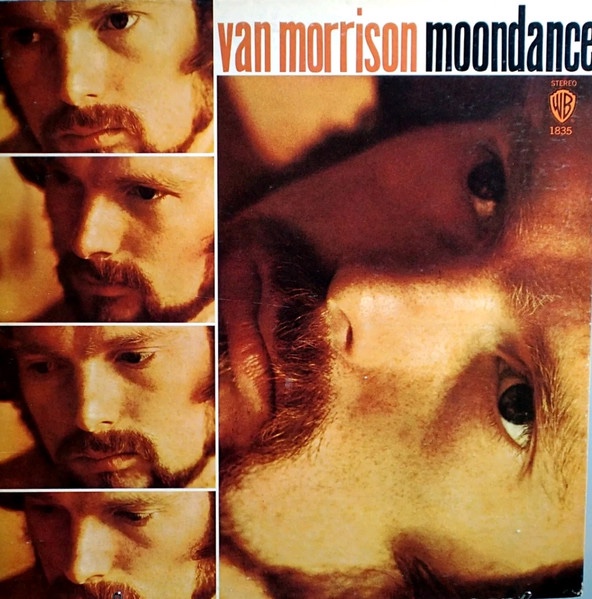
My monthly musical meetings with my friend Jon continued in September with albums from OMD, Van Morrison, The Mamas And The Papas and Huey Lewis & The News. The vintage RCA Victor centre labels on my mum’s copy of Deliver by The Mamas And The Papas were regarded as classic, whereas the sleeve for Fore! by Huey Lewis was definitely not.
Conversation topics included RAAC, our respective Californian driving experiences and a return to the topic of the ineffectiveness of Keynesian economics in 2023.
The wine was Waitrose’s cheapest red, which we concluded was not as good as Tesco’s cheapest red, despite being double the price.
Olives, breadsticks and houmous were September’s snack selections.
Two recent releases from the Strategic Tape Reserve label both continue the label’s fascinating voyage into the heart of adventurous electronic sounds.
Whettman Chelmets’ Koppen finds the US sound artist foraging for sounds at The Gathering Place, a park in Tulsa, Oklahoma. It can be thought of sonic reconnaissance trip before Chelmetts upped sticks and moved to the area. These found sounds and field recordings were then augmented with elements such as snatches of radio broadcasts, the wind chimes outside his house and electronic melodies. Its title – Koppen – refers to a system of dividing the world into different climate zones, and the names of these pieces here refer to a specific zone in the Koppen classification system.
One could easily suggest that Chelmets’ deployment of serenity and turbulence in each track is a reflection of the volatility present across the world. These pieces are all restless, never still, always moving. Even in moments of tranquility, something edgy is just around the metaphorical corner. ‘ET’ and ‘Dfd’, for example, present vibrant soundworlds of many layers – metallic, ringing, bell-like tones, slowed-down rain sounds, whistling half-melodies, and something earthy and naturalistic, maybe the sound of walking through a damp wood in Fall. They are simultaneously enveloping but also threatening and brooding, poised with a sort of calm and resolute danger.
Something similar happens on ‘Cfa’. Here we are presented with a cluster of pretty, almost classical melodies. At some indefinable point these sounds become buried and lost as a harsh, sawing, back-and-forth sound and crushing white noise blanket drapes itself over the track. On ‘Dfc’ and ‘BWh’ the inverse happens, with a cloying, impenetrable web of sound dropping out into randomised bursts of dislocated radio recordings – ghostly voices and snatches of broadcast music. They are respite, perhaps, from what comes before, but somehow more ghostly and unsettling because of the starkness of contrast.
Koppen is presented as a single long piece, its constant shifts creating a dizzying, relentless unpredictability: in the quieter moments you are filled with anticipation of noise overtaking any sense of calm, and in the noisier moments you are waiting for the sudden drop into beatific, pastoral sweetness. None of this is remotely accidental, of course, and Chelmets proves himself to be an absolute master of sculpted, dramatic, enlivening sound art.
Owl And Monkey Haven by Ergo Phizmiz and Depresstival brings to an end their fabled Leisure Pop Trilogy. The third instalment of their series for Strategic Tape Reserve, following Plaza Centraal (2001) and Elmyr (2020), this is an utterly madcap leftfield pop sprawl.
The tone for this is largely set by opening track ‘Foyer’, an effervescent, skittish, lo-fi banger with wiry guitars, a decidedly awkward funkiness, birdsong, recorders, bleeping Casio synths, oompah bass, dull documentary samples and a vocal about paradise that sounds suspiciously like the late Mark E. Smith. All in one song!
Ergo Phizmiz has made a career of operating fluidly around copyright, and that’s no different here. Meanwhile, multimedia artist Depresstival set an ambition – this is deadly serious, so please approach it that way – to “become the ultimate post-structuralist Geri Haliwell tribute act.” This heartfelt reverence to the onetime Ginger Spice would certainly the interjection of a sample of the Spice Girls’ ‘Wannabe’ on the standout ‘Heartslashwallet’, a track that sounds like a Numanoid replicant thoroughly pissed off at having to constantly pay for romance. Meanwhile, ‘Stalker’, which includes lyrics about voyeuristically watching someone taking out their bins, has more than a stench of The Residents about it, and ‘Four Things I Would Have Done If It Wasn’t For Fucking Brexit’ is a protest song dressed as an erudite expression of love for motorik German music.
Quite honestly, nothing I write here could do justice to how completely bonkers this collection is. What I will say is that the final track, ‘John Lewis Christmas Advert’ envisions an alternative reality where a female torch singer covers the Sex Pistols over a tear-jerking stop-motion short film to support a department store’s flagging seasonal sales. Seriously ridiculous and ridiculously serious by turns, and a high watermark in the Ergo Phizmiz prankster portfolio.
Koppen by Whetmann Chelmets was released July 7 2023. Owl And Monkey Haven by Ergo Phizmiz ft. Depresstival was released September 8 2023. Both releases are on the Strategic Tape Reserve label.
This album of synth pop genius was released in December but only hit my inbox recently. A London duo of vocalist Steve Olander and synth whizz Alex Hall, Any Second Now take their name from one of the most subtle Vince Clarke-penned moments on Depeche Mode’s 1981 debut, and Any Second Now is resolutely faithful to electronic pop’s best vintages. Containing songs written over the last four decades but which were never recorded, these thirteen songs are filled to bursting point with crystalline, haunting one-note synth melodies and skeletal drum machine rhythms. With the opening and closing instrumental tracks (‘Peking Sunrise’ and ‘Peking Sunset’), Any Second Now isolate the early 1980s’ fascination with travel and far-off, exotic places, while the semi-detached, almost spoken emotional vocal of key tracks ‘Plastic World’ and ‘No Face’ serve as useful reminders of how easily early synth pop evolved out of punk. These songs are all poised perfectly between darkness and lightness, with ‘Who Killed Kennedy?’ tackling one of the most-asked questions of all time with a cheerful, if unresolvable, levity, while the title track is easily one of the most infectiously joyous pop tracks you’ll ever hear. Simply brilliant.
Any Second Now by Any Second Now was released December 17 2022.
intimaa’, the latest album from Montreal-based sound artist and modular electronics pioneer Bana Haffar, can be thought of as a sensitive and delicate collision of styles. On the one hand, key pieces like ‘Elemental’ and ‘Lifter’ highlight the vibrant and often unpredictable pathways that can be established by patching a bunch of magical sound-making boxes together; on the other, they are infused with structures, shapes, rhythms, atmospheres, field recordings and melodic detail that nod to traditional Middle Eastern music. As a listener, you can listen intently for these moments, or just appreciate intimaa’ as a richly textured ambient masterpiece.
intimaa’ by Bana Haffar was released May 19 2023 by Touch.
Miasms brings together Lori Goldston (cello), Greg Kelley (trumpet), Al Jones (electronics) and Austin Larkin (violin) for four improvised pieces, recorded in 2019. The occasion was an exhibition focused on the remains of a piano which had been dropped from a helicopter onto musician Larry Van Over’s farm in Duvall, Washington in 1968, an extreme artistic gesture that carried more than a whiff of Fluxus about it. The four musicians here are, in part, responding to the visual stimulus of the piano’s shattered remnants, but the main jumping-off point came through Jones attaching various electronic devices to the piano itself. Each piece contains an intense and intricate soundworld that fluctuates between the quiet and the dissonant. On ‘Two’, thick drones emerge from a turbulent, volatile squall of strings, while the comparatively calm ‘Three’ concerns itself with smaller gestures before a disruptive trumpet blast from Kelley forces the adaptable players into a more strident formation.
Miasms by Goldston / Jones / Kelley / Larkin was released August 4 2023 by Full Spectrum Records.
AWAKENED SOULS – unlikely places (Past Inside The Present)
awakened souls are a duo of Cynthia Bernard (voice, guitar) and James Bernard (bass, synths, guitar). Inspired by the idea that we can all find creative impulses in the least likely of places if only we took the time to stay present, this collection of ten pieces is perhaps one of the most delicate, contemplative albums I’ve heard. Reassuring and comforting, pieces like ‘waiting’ are nevertheless poised and purposeful, not exercises in empty ambient drifting. An oscillating synth tone on ‘fall asleep, dream’ floats determinedly over soft, undulating sounds and Cynthia’s ethereal vocals, collectively guiding your awareness and providing clarity to the disorganised clutter of your mind. Beyond beatific, and a joy to be in the company of.
unlikely places by awakened souls was released August 16 2023 by Past Inside The Present.
For Mizuniwa, sound artist Yui Onodera recorded sounds while visiting the Tochigi Prefecture, a landlocked area lying 80km to the north of his Tokyo home. A beautiful, tranquil location encompassing mountains, national parks, water falls and, on the basis of this album, ample sources of inspiration for Onodera. The six pieces here have a life-affirming warmth, full of rich, constantly-moving yet subtle synth layers and naturalistic water sounds. For me, key pieces like ‘Mizuniwa 2’ and ‘Mizuniwa 6’ are sonic embodiments of the concept of shakkei, whereby a background landscape is incorporated into the design of a garden. In this way, Onodera’s pieces encompass distant horizons and close-up details, making for a truly transcendent listening experience.
Mizuniwa by Yui Onodera was released August 4 2023 by Decaying Spheres.














You must be logged in to post a comment.