Shots: Trevlad / Lines Of Silence / Euan Dalgarno / Isolated Community / Audio Obscura

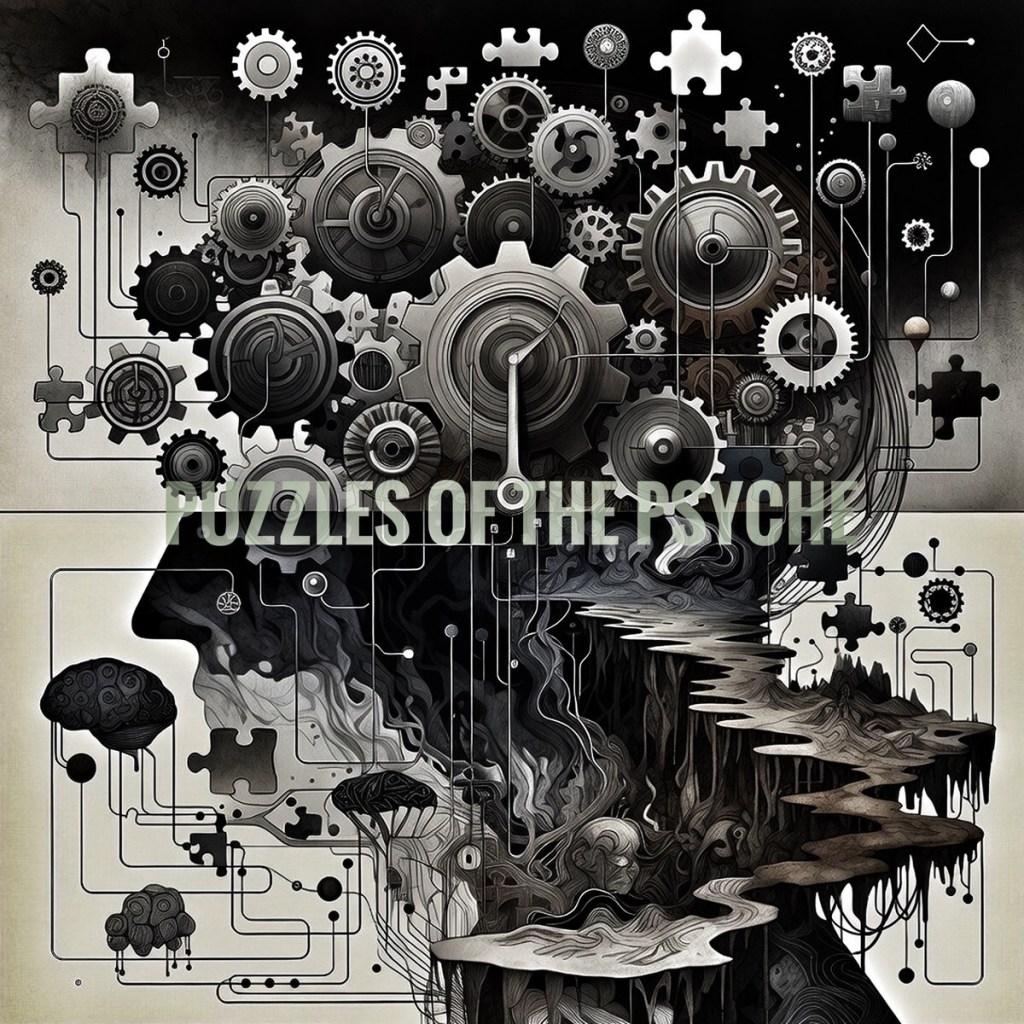
VARIOUS ARTISTS – PUZZLES OF THE PSYCHE

Puzzles Of The Psyche is a 20-track compilation by Trevlad, whose mixes show the same curatorial intricacy that dominates this collection. Informed by the title, and a sleeve which gives me Escher-meets-AI vibes, this is a deep-thinking exploration filled with deep ambient cuts that often lean toward the mysterious. That style is best exemplified by Hy Vyb and Asha Patera, both of whom blend New Age-y reference points with almost noir-ish mystique. Elsewhere, tracks from Arcane Trickster, Oceanographer and Bit Cloudy go for bubbling, immersive ambience, while The Gaye Device breaks ranks and hitches that ambience to a low-slung house style reminiscent of UFOrb-era Orb. The two standouts, for this writer, both come in upper-case: HDRF’s long, elaborate and dramatic ‘Chronofracture 4’ and BUNKR’s supremely melancholic futurism on ‘Circling The Monolith’. Released March 26 2026.

https://trevlad.bandcamp.com/album/puzzles-of-the-psyche
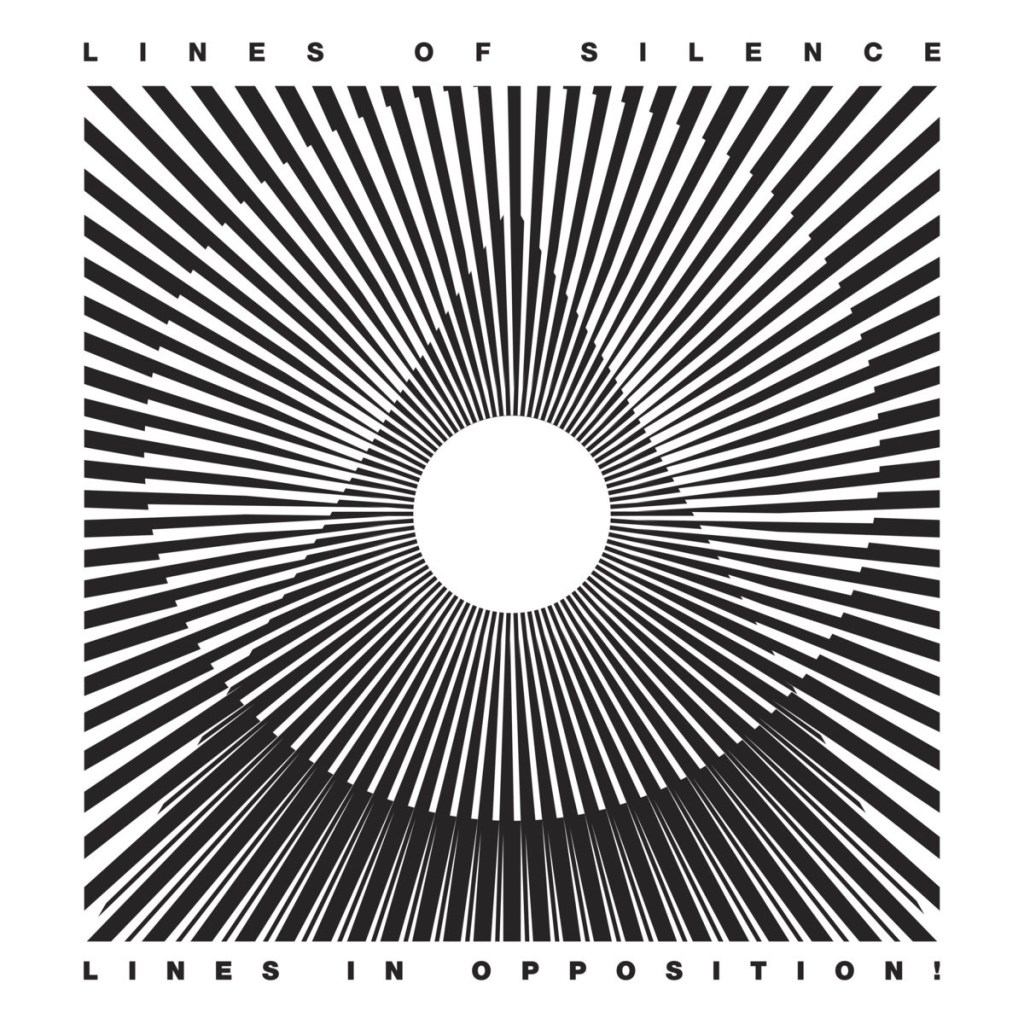
LINES OF SILENCE – LINES IN OPPOSITION!

The new album from Lines Of Silence (David Little, Dave Clarkson and Andrea Parra) is perhaps one of the most arresting and attention-grabbing albums I’ve heard this year. Opener ‘Wolf’ sets the pace, Featuring blisteringly hot guitar layers, ebbing / flowing synth sweep and a solid motorik beat, coming to rest somewhere in the liminal space between Neu! and The Modern Lovers, via the space rock of Hawkwind and Appliance. I’m not usually one for making comparisons with other artists, as I always find that kinda lazy, but I’ve just dropped four bands into a comment about one single track, so I might as well carry on. I’m pretty sure those comparisons are way, way off here, but ‘Come With Us (If You Want To…)’ sounds like System 7 covering incidental music from Miami Vice, with a squelchy bassline intertwining itself around sinewy, entrancing arpeggios. The second half of the album consists of more intentionally psychedelic pieces, generally without beats. The transcendent, euphoric effect is the same, just at a more languid pace. And yet there is implied momentum here, a sense of latency and expectation, of flying through wormholes in your consciousness and falling through the bottom of the universe. Released May 8 2026.

https://linesofsilenceband.bandcamp.com/album/lines-in-opposition
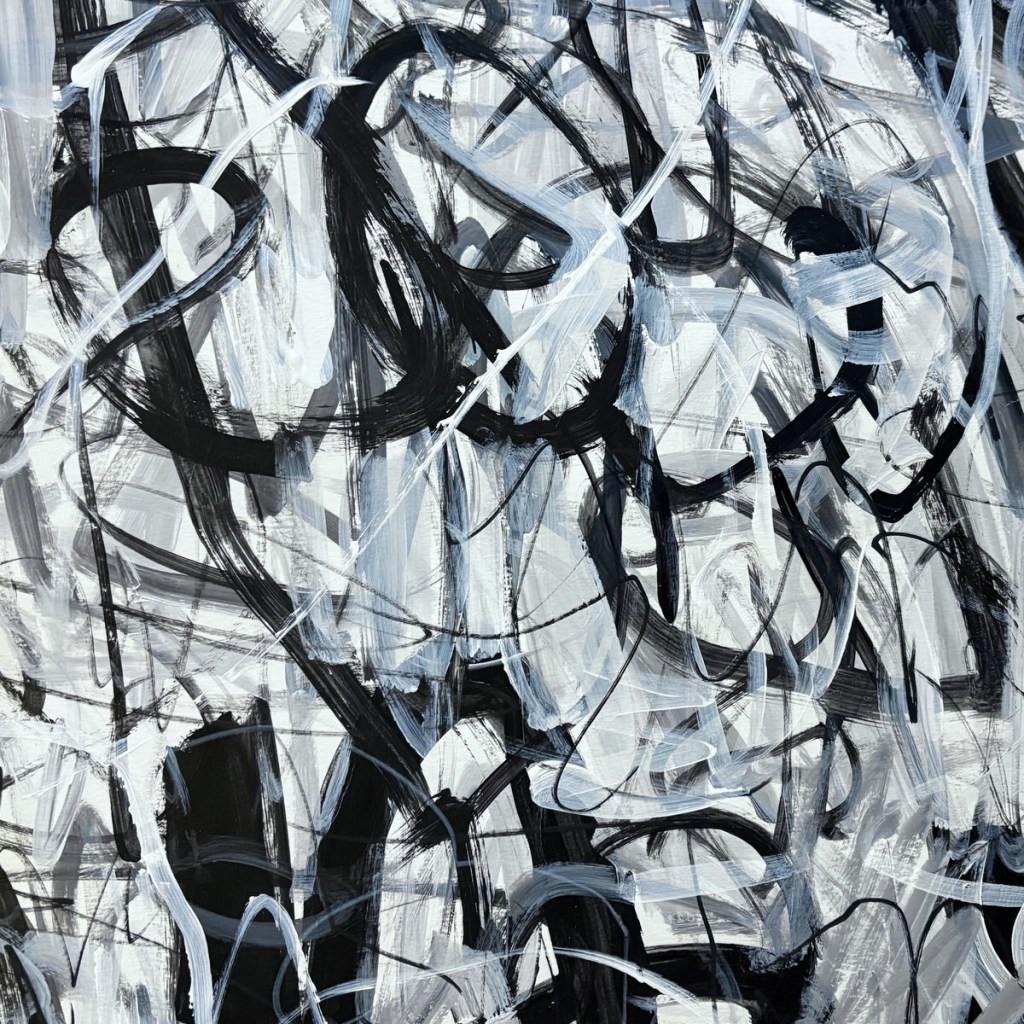
EUAN DALGARNO – CLIFF WORKSHOP

Cliff Workshop was composed by Edinburgh electronic musician Euan Dalgarno following an accident. Its creation became an integral part of his healing, both physically and also mentally. In his notes for the album, he talks openly about these pieces having a consciously reassuring tone. That tone is most evident on ‘The Bealach’, where a spiralling central melody encircles you with a powerfully emotive resonance, its intense grip only heightened by wavering voices and euphoric textures. Elsewhere, ‘Rockethaus’ emerges uncertainly from quiet, ruminative ambience, before coalescing into a devastating string crescendo, while ‘Jackson Pollock’ simulates the chaos and drama of the painter’s canvasses, with broad synth sweeps and discordant violins providing an analogue to Dalgarno’s unsettled mind amid his recovery. Released May 15 2026 by Bytes.

https://euandalgarno.bandcamp.com/album/cliff-workshop
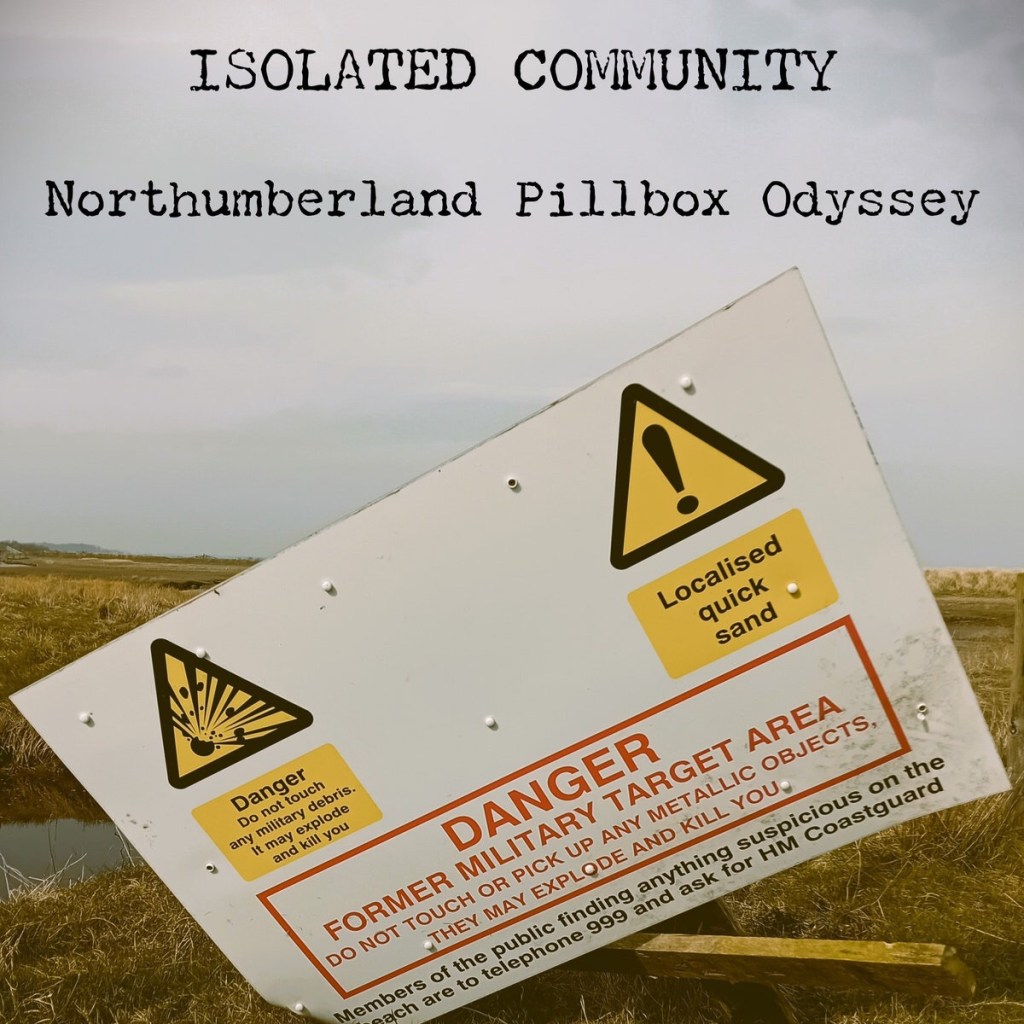
ISOLATED COMMUNITY – NORTHUMBERLAND PILLBOX ODYSSEY

In 2020, while temporarily living in Cornwall, I spent some time on the beach at Sennen. I’d been there countless times but for some reason had never spied the small, abandoned concrete military structure halfway up the hill behind the wide expanse of sand. Feeling inquisitive, I took myself up there to have a look. It was eerie and strange. Its roof had collapsed and it was filled with rubbish, needles and the remnants of a small fire. Where once it might have been part of an earnest effort to keep our shores safe from enemy invasion, it was now nothing more than a concrete waste basket. I made some field recordings, some of which may have ended up in Audio Obscura’s The Lost Weekend.

The latest release from Newcastle’s Isolated Community is concerned with the many such vestigial military structures that can be found across Northumberland. The duo of Richard and Rachael have an unerring knack for creating impressionistic sonic pieces from architectural inputs, and their focus here on these ‘pillboxes’ gives the collection an often dark and sinister vibe.

Some of the best moments appear in a sequence of tracks occupying the centre of the album, ‘Budle Bay: Gun Battery’, ‘Acklington: ‘Type22’ Pillbox’ and ‘Hemscott Hill: ‘Cottage’ Pillbox’. ‘Budle Bay’ floats on ghostly wraiths of spooky textures, offset by a wavering, mysterious melody, barely audible off in the distance, and a churning, spinning sound that sounds mechanical and dangerous. On ‘Acklington…’ we hear a wonky melody that shimmers over turbulent white noise and static; the melody sounds like it should belong at an afternoon tea dance for war veterans, only it is skewed and messy, like time and space have been cataclysmically disrupted by some catastrophic event. Finally, on ‘Hemscott Hill’ we hear a skeletal beat, a synth that whines like a siren, and a low vocal texture that sounds like ominous chanting. An imaginative, haunted exploration of our wartime past. Released May 22 2026 by Northumberland Audio Capture.

https://isolatedcommunity.bandcamp.com/album/northumberland-pillbox-odyssey
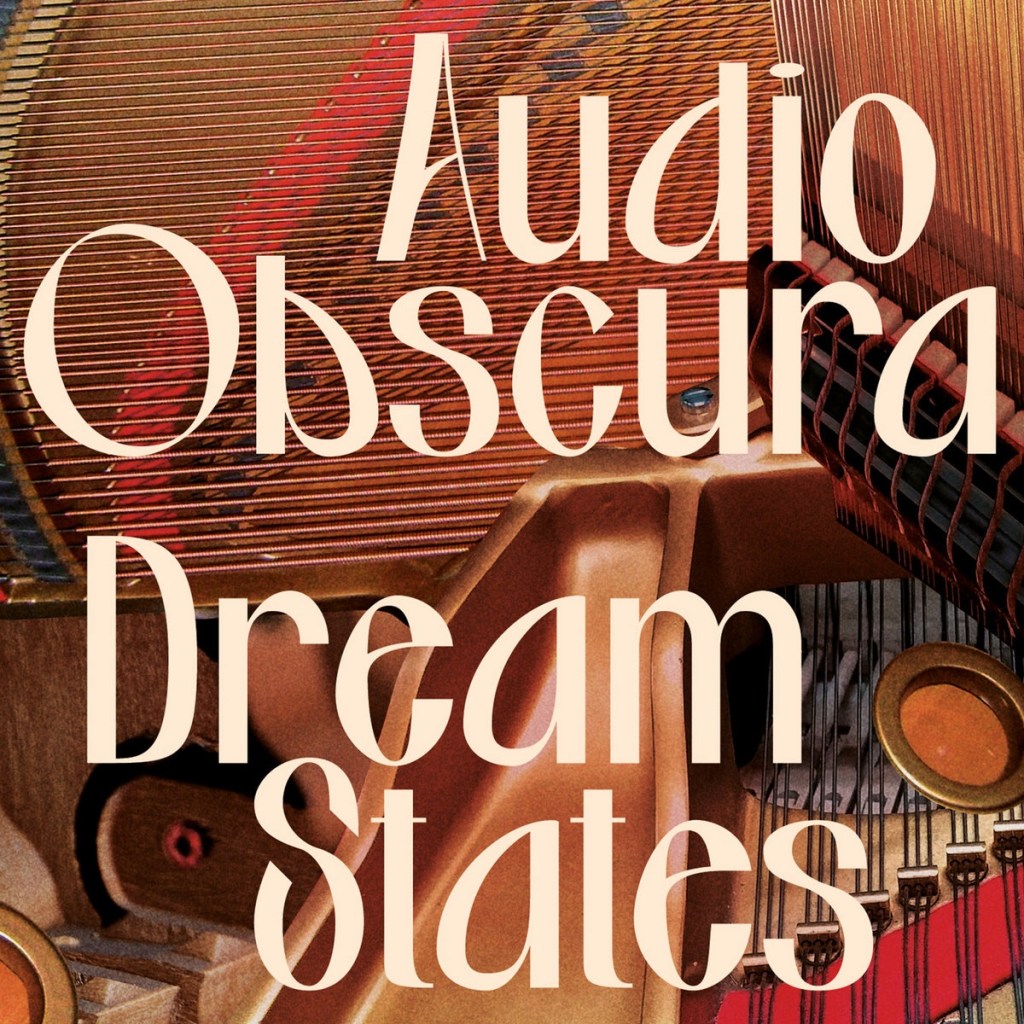
AUDIO OBSCURA – DREAM STATES

The concept behind the latest album from Neil Stringfellow arose while watching an interview with Duke Ellington. He was asked by the interviewer about playing piano, to which the Duke retorts that it isn’t playing, “this is dreaming”. In what feels like a rejected card from the Oblique Strategies deck, Stringfellow found himself pondering what a dreaming piano might sound like. This album is the response to that enquiry.

It is a collection somewhat removed from some of the earlier Audio Obscura albums, largely because of the emphasis on weaving beatific piano around complex rhythms and electronic impulses. It has a sinewy connection to the series of albums that commented on environmental change, given that Stringfellow composed the pieces at night during the extreme UK heatwaves of 2025, but for the most part this feels like he is breaking new musical ground.

I always find it hard to isolate highlights on Audio Obscura albums. Stringfellow’s approach to composition always creates an even musical flow state where individual pieces only ever feel like part of a complete whole. Nevertheless, ‘Is It True That We Only Ever Dream In Black And White’ stands out, beginning with the voice of his son, Arlo (“for extra pocket money”), where Stringfellow attaches contemplative piano to a resonant bass pulse; when the piano drops out, you hear a track filled with low-level turbulence and clusters of restless noise. The sonic framework of ‘People Say I’m A Dreamer’ consists of delicate piano, heat-haze textures, scratchy electronic patches and a beat that shuffles along like it belongs on an ambient trip-hop cut from 1994.

I remember the heatwaves of 2025. They sucked. I couldn’t sleep a wink, and, according to his notes, neither could Stringfellow. Whereas I just lay in bed desperately seeking some sleep, trying not to agitatedly toss and turn to find a comfortable position, he used the time to make art. The result is a uniquely atmospheric album, dreamily composed in the unsettling quiet of sleeplessness. Released June 12 2026.

https://audioobscura.bandcamp.com/album/dream-states

Words: Mat Smith

(c) 2026 Further.
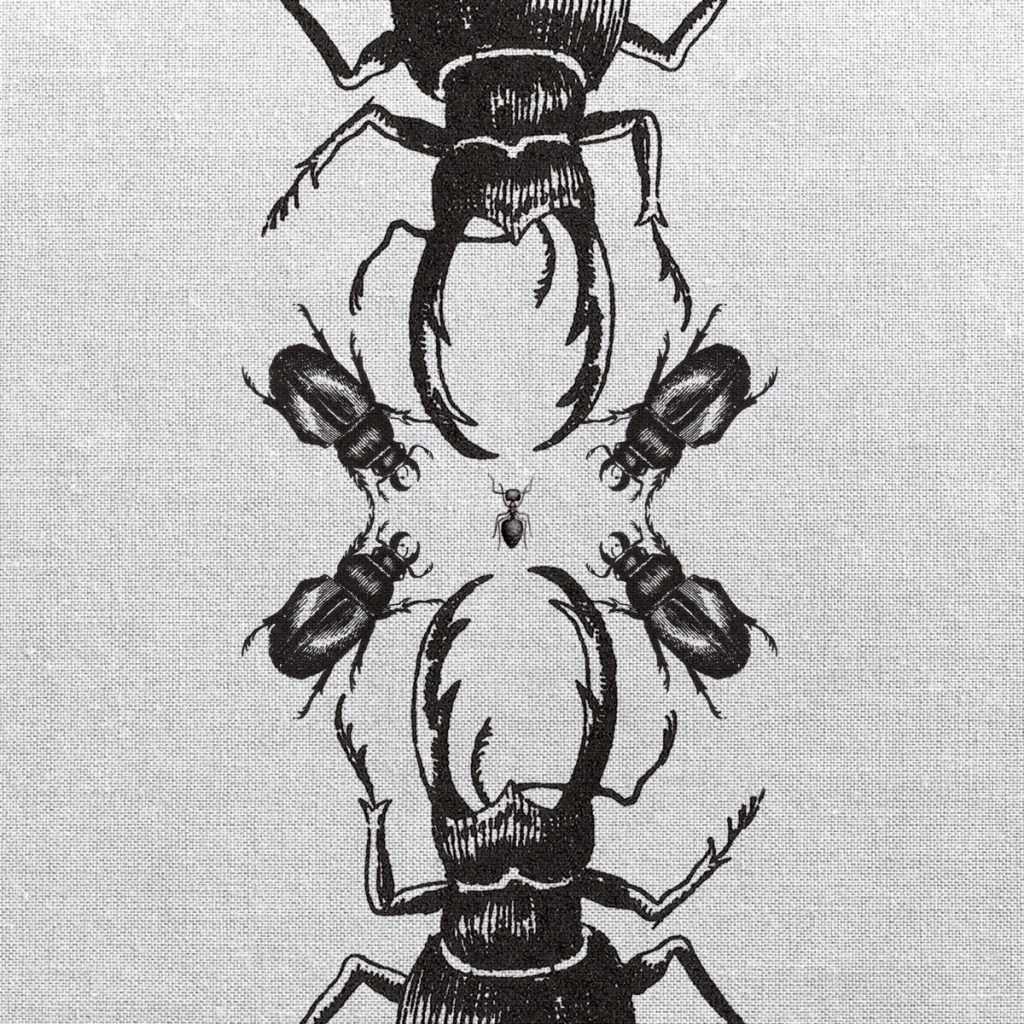
Various Artists – Insects

A warning: if you’re the kind of person that massively freaks out at the insect-based challenges on shows like I’m A Celebrity, Get Me Out Of Here or The Challenge, Insects is not the compilation album for you. Containing 12 tracks each inspired by insects, if you’re even remotely scared of humming, buzzing, flapping or the amplified sound of insectoid limbs scurrying across a kitchen surface, this is likely to send you into a complete panic. For everyone else, this is a sharply-executed curatorial exercise by the always-remarkable Dustopian Frequencies imprint.

Key tracks for this reviewer include ‘Anopheles Genus Takeover’ by BMH (WCR’s Kate Bosworth and Matt Jetten) which has the sinister nihilism of an imaginary soundtrack to Iain Banks’ ‘The Wasp Factory’, until Bosworth issues the line “There are no tin openers anymore,” which is a trademark bit of wry humour I’ve come to look for in BMH’s savagely inventive music. Dave Clarkson’s squelchy techno banger ‘Hive Mind’ is another, providing further evidence of an alchemical skill that Clarkson has for turning pretty much any sound – toys, sweets, fairground rides, caves – into electronic music gold, in this case imagining a swarm of killer bees descending on an illegal outdoor rave.

At the other extreme, Linear North’s beetling, sub-bass-heavy ‘Brains Nor Backbone’ has a weird mournfulness and sensitivity toward the insect population, with phrasing that pivots on a quote nodding in the direction of Franz Kafka’s Metamorphosis.

A recurring memory kept popping into my head while writing this. It was of being in a room in London’s Natural History Museum when my daughters were very small, a curator pulling out drawer after drawer of glass topped boxes, each containing a selection of different insects. This compilation is a lot like being back in that room, only each successive display case is accompanied by a vivid, visceral and very occasionally panic-inducing soundscape.

Insects was released January 23 2026 by Dustopian Frequencies.

Words: Mat Smith

(c) 2026 Further.

Dave Clarkson – A Pocket Guide To Wilderness / Stuart Chalmers – Suikinkutsu

A couple of years ago I interviewed Josh Hager from Devo for another of my projects, focussed on the Mute label’s STUMM433 boxset. Conversations for that project typically veer quickly into discussions of meditation practice; or, if they don’t directly end up there, we usually find ourselves talking about efforts the artist makes to find peace or a sort of inner silence. 

In Hager’s case, he told me about his early experiences after first moving to LA, where he rented himself a loft with no furniture. He may have had no furniture, but Hager had a turntable and an album, The Magic Of Psychoacoustic Sound, containing two sides of countryside noises – an English meadow and a forest night-scape filled with crickets – made by influential field recordist and early digital sound processor Irv Teibel.

Teibel had spent some of his army years in Stuttgart, where his imagination had been fired up by musique concrète, tape experiments, and spells studying under Karlheinz Stockhausen and Tony Conrad. The Magic Of Psychoacoustic Sound was the tenth disc in his influential series Environments, which he began in 1969 with a Brighton Beach, NY recording of the shoreline that was then processed through an early IBM computer.  

I ended up buying a beaten-up copy of The Magic Of Psychoacoustic Sound and put it on one Saturday afternoon while the house was occupied by just me and the cats. A couple of minutes in and I was somewhere else, walking the fields and woods of my youth and trying to suppress the notion that, if I hauled myself off the sofa and walked five minutes from my house, I could listen to actual English countryside sounds rather than Teibel’s processed ones. And then something strange happened – the record got stuck. I moved the needle and it got stuck again. And again. And again. I sighed, realising I’d bought one of the most scratched LPs I’ve ever seen but then, as I went to turn the turntable off and put the record away, I became aware that the skipping sounds of pretty meadows had formed an inchoate little rhythmic loop that you could just about dance along to. 

I imagine Teibel would have liked Dave Clarkson’s new album for Linear Obsessional, A Pocket Guide To Wilderness – Deep Forests And Dark Woods Of The British Isles. The latest instalment in a series that has included explorations of caves, the shores around Britain and quicksands (who know we had those in this country? In fact, who knew they existed outside perilous scenes in 1980s shows like The A-Team?), Clarkson’s Pocket Guide… series feels like it was directly descended from the Environments releases. His technique is one of processed field recordings, much like Teibel did forty years before, but whereas his approach was to create textural backdrops, Clarkson prefers more extreme alterations. 

Take the opening track, ‘Twig Dance’. Here we find Clarkson in the venerable Sherwood Forest using the sampled sounds of twigs snapping and logs being tapped, which he then reworked into a 7/4 rhythm that’s so knowingly reminiscent of ‘Unsquare Dance’ that you expect Dave Brubeck’s distinctive piano to start up at any moment. It’s less psychoacoustic and more psychedelic, like a weird pagan ritual best appreciated through the lysergic fog of foraged ‘shrooms. In contrast, an eight-hour recording session in Delamere Forest from August 2019 ‘Delamere Night Flight’) is largely untouched, until you consider that Clarkson has taken the highlights from that all-nighter and turned it into a comparatively minuscule two-minute edit. (The owl that features prominently on this piece definitely approves.) 

Elsewhere, ‘No Easy Way Out’ augments a loop of crunching, trampled undergrowth with ominous sub-bass and a delicate passing cloud of elegiac synth pads to create an uneasy, unsettling feeling, which Clarkson’s accompanying narrative likens to the perilous way out of our shared 2020 experiences. The pastoral, soothing birdsong with which ‘Lifeblood’ commences could have been taken straight from the ‘English Meadow’ side of The Magic Of Psychoacoustic Sound until it is overtaken by a swelling, fluctuating drone full of wonder and gauzy warmth. The effect is to centre your attention on the natural mystery of the world around us, something that we are all too guilty of ignoring. 

‘Mausoleum In The Woods’ uses the pyramid at Norfolk’s Blickling Park as its sonic playground, featuring percussive sounds that Clarkson recorded by striking the railings and stone of the Egyptian revival structure. We also hear the voices of fellow tourists and the omnipresent sound of rushing water, all of which lock together with the percussive samples to form a regimented, clockwork-like rhythm interspersed with intricate, unplaceable detail, befitting an engaging, thought-provoking album (I am chiefly reminded of the devastation of ancient woodland for the sake of HS2) that is as much informed by Clarkson’s fervent imagination as it is his curatorial approach to collecting sounds. 

Stuart Chalmers’ Suikinkutsu album for Graham Dunning’s Fractal Meat Cuts label opens with a field recording made as Chalmers arrived at the Dowkabottom Cave in the Yorkshire Dales. We hear a car edging noisily over gravel and a fleeting section of The Beautiful South heard from a car stereo. Thereafter we leave the human world far behind, finding ourselves in the subterranean chamber for eight recordings made in the cave on different days between February and May 2020 – which, lest we forget, coincided with the pervasive spread of a virus and the pausing of our freedoms. 

Caves aren’t troubled by viruses, but they are deeply impacted by the weather. The sound of water is a major influence on these recordings, both in its natural state within the cave, but also for how Chalmers placed objects – cans, saucepans, gongs, singing bowls – underneath water drips to create percussive sounds and fragile, tentative metallic melodies. The flow of water in the cave was entirely linked to weather patterns above ground – ranging from the wettest month since records began (February 2020) to the driest (May 2020). The recording from February 2 2020 is intense and frantic to the point of Neubaten-esque violence, while those from May are sparse and contemplative, drawing our attention to the dangerous fluctuations in climate that are the hallmarks of the anthropocene.  

The album’s title is a reference to a Japanese garden ornament, translating as ‘water harp cave’, which uses dripping water to producing a soothing sound, much like wind chimes. The natural ambience of the subterranean chamber drenches these recordings with rich, gentle reverb, while the unpredictable percussive timbres have a searching, inquisitive restlessness: outlines of melodies form, seem to edge toward completeness, and then go someplace else entirely. The result is strangely moving, the eight cave recordings reflecting – in an embodiment of zen duality – both stillness but also a constant motion, each drip imperceptibly adding to the perpetual wear and shaping of the cave itself. That this process will continue long after humankind has made itself extinct is a perhaps Suikinkutsu’s most impactful, if unintended, observation. 

A Pocket Guide To Wilderness – Deep Forests And Dark Woods Of The British Isles by Dave Clarkson was released April 21 2021 by Linear Obsessional. Suikinkutsu by Stuart Chalmers was released April 20 2021 by Fractal Meat Cuts. 

Words: Mat Smith 

(c) 2021 Further.